The Future of Cremation Services: Personalization, Technology, and Sustainability
Cremation has become an increasingly familiar part of modern end-of-life planning, but the way families approach cremation continues to evolve. What was once often viewed as a straightforward alternative to burial can now involve personalized ceremonies, digital memorials, environmentally conscious choices, and new ways for families to preserve and share memories. The future of Cremation Services is therefore not simply about the cremation process itself. It is also about what happens before and afterward, including how families gather, how they communicate information, how they remember a loved one, and how they make decisions that reflect personal values.
Technology is changing how people participate in remembrance, while sustainability is influencing choices about urns, memorial products, and other materials. At the same time, families are looking for ceremonies that feel more connected to the individual rather than following a single traditional format. These developments are not replacing traditional funeral services or Memorial Services. Instead, they are creating additional options that families can consider when planning a meaningful farewell.
How Cremation Is Evolving
Cremation itself remains a defined process, but the services and experiences surrounding it can vary considerably. Some families choose direct cremation without a formal ceremony. Others hold a visitation or funeral before cremation. Some arrange a memorial service afterward, while others organize a private family gathering or celebration of life weeks or months later. This flexibility is one of the reasons cremation can accommodate different family circumstances and preferences. As attitudes toward funerals continue to change, families are increasingly considering what type of remembrance feels appropriate rather than assuming that one traditional format is necessary. The result is a broader range of choices surrounding cremation.
Greater Personalization in Cremation Services
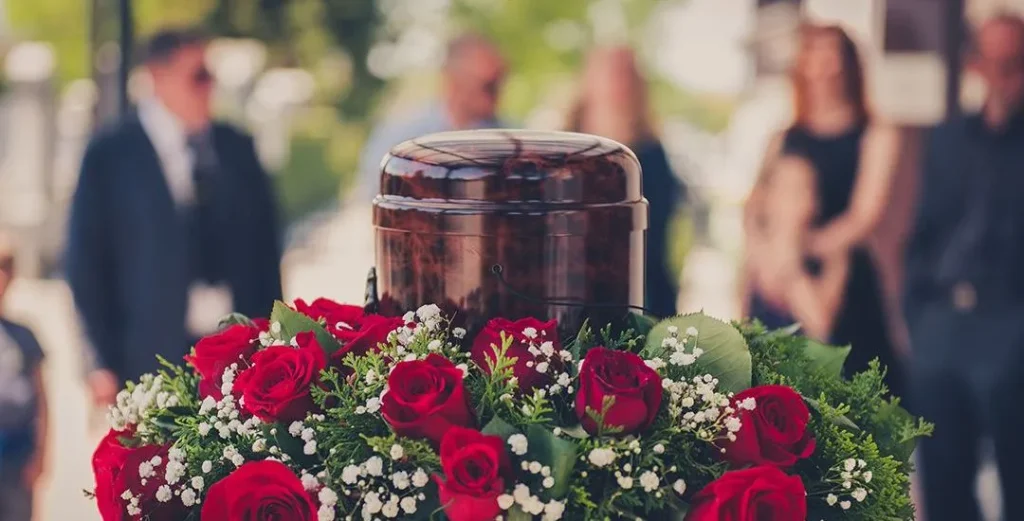
Personalization is likely to remain an important part of the future of Cremation Services. A personalized service can reflect a person’s interests, relationships, accomplishments, beliefs, cultural background, or everyday personality. Photographs may be arranged to show different stages of life. Favorite music can become part of a ceremony. Family members may share stories rather than relying entirely on formal readings.
Personalization can also continue after cremation. Families may choose a distinctive urn, create a memorial display, preserve a small portion of cremated remains in a keepsake, or establish a permanent memorial in an appropriate location. The important distinction is that personalization does not require an elaborate event. Small details can communicate a great deal about someone’s life.
Cremation and Memorial Services
Cremation does not eliminate the need for a gathering. A family may choose to hold Memorial Services before or after cremation, depending on their circumstances and preferences. This gives relatives and friends an opportunity to come together even when there is no traditional burial.
Memorial services can be highly structured or informal. A ceremony may include a eulogy, readings, prayers, music, photographs, video tributes, or time for guests to share memories. Some families may hold the service immediately after cremation, while others may wait until relatives can travel from different locations. This flexibility may become increasingly relevant as families become more geographically dispersed.
The Growing Role of Digital Memorials
Technology has already changed how people communicate after a death, and digital memorials are likely to become an increasingly common part of remembrance. Online memorial pages can bring together photographs, videos, stories, service information, and condolences in one place. Family members can contribute memories even when they live far apart.
Digital memorials can also remain available after the funeral or memorial service, giving relatives a place to revisit over time. For families who choose cremation without a traditional funeral, an online memorial can provide another way to acknowledge the person’s life and connect people who were unable to attend an in-person gathering.
Livestreaming and Remote Participation
Geographical distance can make it difficult to attend a traditional funeral. Livestreaming provides another way for relatives and friends to participate. A cremation may be accompanied by a private ceremony that is livestreamed to selected family members. Alternatively, a later memorial service can be broadcast for people who cannot travel.
Remote participation can be particularly helpful when families live across different cities, states, or countries. However, livestreaming also requires careful consideration of privacy and technology. Families should decide who can access the stream, whether the event will be recorded, and how the recording will be stored. Technology can expand participation, but families should remain in control of how much of a private ceremony is shared.

Obituaries in a Digital Age
Obituaries are also changing alongside digital communication. Traditional newspaper obituaries remain meaningful to many families, but digital obituaries provide additional opportunities to share a person’s story. An online obituary can include photographs, videos, service details, personal memories, and information about charitable donations or other forms of remembrance. Digital publication also makes it easier for distant relatives and friends to access information.
For families arranging Cremation Services, an obituary can explain whether a formal ceremony will take place, whether there will be a later Memorial Service, or whether the family has chosen a private gathering. As digital memorials become more common, the obituary may increasingly serve as an entry point to a broader collection of memories.
Environmentally Conscious Cremation Choices
Sustainability is another area likely to influence the future of cremation. While cremation does involve energy use and emissions, families can consider environmental choices surrounding the process. These may include the materials used for urns, memorial products, flowers, stationery, and other items. Biodegradable urns are one example. These may be designed to break down naturally when placed in appropriate environments.
Families can also consider recycled or renewable materials for memorial displays and stationery. Sustainable choices do not require families to change every aspect of a ceremony. Even small decisions can reflect environmental values.
Biodegradable Urns and Natural Memorials
Traditional urns are often designed to remain intact for many years, but some families prefer products that are intended to return to the environment. Biodegradable urns may be made from materials such as recycled paper, natural fibers, sand, salt, or other biodegradable components. Some are designed for burial, while others may be intended for use in water where legally and environmentally appropriate.
Natural memorials can also involve planting a tree or maintaining a garden in memory of someone. Families should check local rules and property requirements before placing cremated remains or creating a permanent memorial. The idea of connecting remembrance with nature may become increasingly relevant as environmental considerations become part of more families’ planning decisions.
Technology and Memorial Keepsakes
Technology is also creating new forms of memorial keepsakes. Digital photo collections, recorded interviews, video tributes, and online archives can preserve memories in ways that were not possible for previous generations. A family might record relatives telling stories about the deceased or collect photographs from friends and family members.
These digital materials can be organized into a private archive that future generations can access. At the same time, physical keepsakes remain important. Families may choose jewelry, small urns, engraved objects, or handmade items containing or representing a portion of the cremated remains.
The future of memorialization may therefore involve both physical and digital forms of remembrance.
More Flexible Timing for Memorial Services
One of the practical advantages families may associate with cremation is the ability to separate the cremation process from the memorial gathering.
A family may need time to travel, arrange a venue, collect photographs, or coordinate relatives before holding a service. Instead of gathering immediately, they may schedule Memorial Services weeks or even months later. This can allow more people to participate and may give the family greater time to plan a ceremony that feels personal. It can also create opportunities for seasonal or location-based memorials. For example, a family might choose to hold a remembrance gathering outdoors when weather conditions are suitable.
More Personalized Funeral Ceremonies
The future of funeral services is likely to include an even wider range of formats. Some families may combine traditional religious elements with modern technology. Others may prefer a celebration of life centered around photographs, music, and storytelling. A cremation can be part of either approach. The ceremony might include a formal eulogy followed by an informal reception, or it might consist primarily of family members sharing memories.
There is no requirement for personalization to mean abandoning tradition. Families can retain meaningful customs while adapting the structure of the service around the person being remembered.
Virtual Memorial Spaces
Digital spaces may eventually become more sophisticated ways to preserve a person’s memory. Instead of a simple online obituary, families may maintain a long-term digital memorial containing photographs, videos, written memories, important dates, and contributions from different generations. These spaces can allow relatives to add memories over time.
A grandchild born years after a person’s death might eventually be able to explore photographs, stories, and recordings that help them understand someone they never had the opportunity to meet.
However, digital memorials also raise questions about privacy, ownership, account access, and long-term storage. Families may want to consider who will manage these resources and how information should be protected.
The Importance of Privacy and Digital Security
As more aspects of remembrance move online, privacy becomes increasingly important. Families may share personal photographs, recordings, contact information, and details about the deceased. Not all of this information needs to be publicly accessible. Families can decide whether an online memorial should be public, private, or accessible only to invited participants.
Passwords and account access should also be managed carefully. Someone should be designated to maintain the memorial and ensure that important files are preserved. The convenience of digital remembrance needs to be balanced with thoughtful handling of personal information.
Artificial Intelligence and Digital Memorialization
Artificial intelligence may also influence how people preserve memories in the future. AI tools can already organize photographs, improve audio quality, transcribe recordings, and help families sort large collections of digital material. These applications may make it easier to create memorial archives from photographs, letters, recordings, and videos.
However, families may also face ethical questions about how AI is used to recreate or represent someone who has died. Creating artificial representations of a person’s voice, appearance, or words can raise questions about consent, authenticity, and family preferences. Technology may provide new possibilities, but families will need to decide where they are comfortable drawing boundaries.
Balancing Technology With Human Connection
Technology can make remembrance more accessible, but it cannot replace the human relationships at the center of grieving. A livestream can connect distant relatives, but it does not necessarily provide the same experience as sitting beside family members. A digital memorial can preserve photographs, but it does not replace the experience of someone telling a story in person. For this reason, future funeral services may combine technology with traditional forms of gathering rather than relying entirely on digital experiences.
A family could livestream a Memorial Service while relatives gather together in person. Photographs could be displayed digitally while family members share stories face-to-face. The most effective use of technology may be as a tool that supports connection rather than becoming the focus of the ceremony.
Changing Expectations Around Funeral Products
Families may also become more selective about the products they purchase. Instead of choosing elaborate memorial items automatically, some may prioritize products that have personal meaning, sustainable materials, or long-term usefulness. This could include simple urns, biodegradable containers, recycled stationery, locally sourced flowers, reusable decorations, or digital memorial resources. The emphasis may gradually move away from the number of products used and toward the significance of the items that are chosen.
Cremation and Different Generations
Different generations may have different expectations about end-of-life arrangements.
Younger adults who have grown up with digital communication may be more comfortable with online obituaries, virtual memorials, livestreamed services, and digital photo collections.
Older family members may place greater emphasis on traditional ceremonies, physical photographs, printed materials, or religious customs. Future planning may therefore require families to balance different expectations. Rather than choosing between traditional and modern approaches, families may combine elements from both. This can allow different generations to participate in ways that feel familiar to them.
The Future May Be More Flexible, Not Less Traditional
The evolution of cremation does not necessarily mean traditional practices will disappear. Many families will continue to choose religious ceremonies, formal funerals, traditional memorial gatherings, and permanent physical memorials. What is changing is the range of choices available.
A family can combine cremation with a traditional funeral. Another may choose direct cremation followed by a Memorial Service months later. Someone else may prefer a private family gathering supported by a digital memorial. This flexibility allows families to consider circumstances that may have been more difficult to accommodate in the past.
Planning Ahead for Cremation
Pre-planning can give individuals an opportunity to communicate their preferences before a death occurs. A person may wish to document whether they prefer cremation or burial, what type of ceremony they want, who should be involved, and whether particular religious, cultural, environmental, or personal preferences should be considered.
They may also wish to identify important photographs, music, documents, or other materials that should be used during a memorial. Written instructions can help family members understand someone’s wishes, although families should also make sure important legal and financial arrangements are handled appropriately.
What Families Can Expect in the Coming Years
The future of Cremation Services is likely to involve greater flexibility, more personalization, continued digital development, and increasing attention to sustainability.
Families may have more options for how they gather, how they preserve memories, and how they communicate with relatives who cannot attend. At the same time, fundamental elements of remembrance are unlikely to change. People will continue to gather, tell stories, share photographs, honor traditions, and support one another through grief. Technology may change the tools available, but the purpose remains human.
A Changing Approach to Remembrance
Cremation is becoming part of a broader transformation in how families think about funerals and remembrance. Personalization allows ceremonies to reflect individual lives, technology connects people across distances, and sustainable products give families additional ways to consider environmental values. Obituaries are evolving alongside digital memorials, while Memorial Services can take place at times and locations that suit modern families. Traditional funeral services can also incorporate these developments without losing their familiar customs.
The future of cremation is therefore not defined by one particular format. It is shaped by the growing number of choices available to families.
Whether someone chooses a traditional ceremony, a private gathering, a digital memorial, an environmentally conscious urn, or a combination of different approaches, the central purpose remains the same: creating a meaningful way to remember a life and provide space for those left behind to grieve, connect, and reflect.