What Information Do You Need to Plan a Funeral?
When a loved one passes away, families are often faced with many decisions at a time when it is difficult to think clearly. There may be questions about burial or cremation, the type of service to hold, who should be notified, what documents are required, and how the person’s wishes should be honored. Without preparation, all of these details can quickly feel overwhelming.
One of the simplest ways to make the process more manageable is to gather important information before making major decisions. Having personal records, family details, existing wishes, and service preferences available gives families a clearer starting point. It also helps ensure that important information is accurate when arrangements are being made.
Funeral planning is different for every family. Some people may have already documented their wishes, while others may need to make decisions together. A traditional funeral, cremation, memorial service, or celebration of life may each require different arrangements. Religious beliefs, cultural traditions, cemetery requirements, and personal preferences can also influence the planning process.
For families in Rapid City, South Dakota, understanding what information may be needed can make conversations with funeral professionals, cemeteries, religious leaders, and other organizations easier. The following guide explains the key information families should gather when beginning the funeral planning process.
Start With the Basic Personal Details
The first step is usually gathering accurate information about the person who has died. Basic details are needed for official records, certificates, the obituary, and other arrangements.
Families should have the person’s full legal name, date and place of birth, address, marital status, and other identifying information available. Depending on the circumstances, additional information about parents, spouses, and children may also be required.
Accuracy matters at this stage. A misspelled name or incorrect date can create complications when official documents are prepared. If possible, families should use legal records or identification documents to confirm important details rather than relying solely on memory.
It can be helpful to place these documents in a single folder so they are easily accessible throughout the planning process.

Find Out Whether the Person Left Instructions
Before making decisions, look for any written instructions the deceased may have left behind.
Funeral preferences can sometimes be found in a will, pre-planning agreement, personal notebook, letter, insurance documents, or another important file. The person may have also discussed their wishes with a spouse, child, sibling, or close friend.
These instructions could guide burial or cremation, a preferred cemetery, religious ceremonies, music, readings, people they wanted involved, or other personal preferences.
A will does not necessarily contain all funeral instructions, so families should check other personal and financial records as well. Even informal written instructions can provide valuable insight into what the person wanted.
Determine Whether Burial or Cremation Was Preferred
One of the central decisions in funeral planning is determining whether the deceased wanted to be buried or cremated.
If the person clearly expressed a preference, that should be considered when planning the arrangements. If there is no documented preference, family members may need to discuss the available choices.
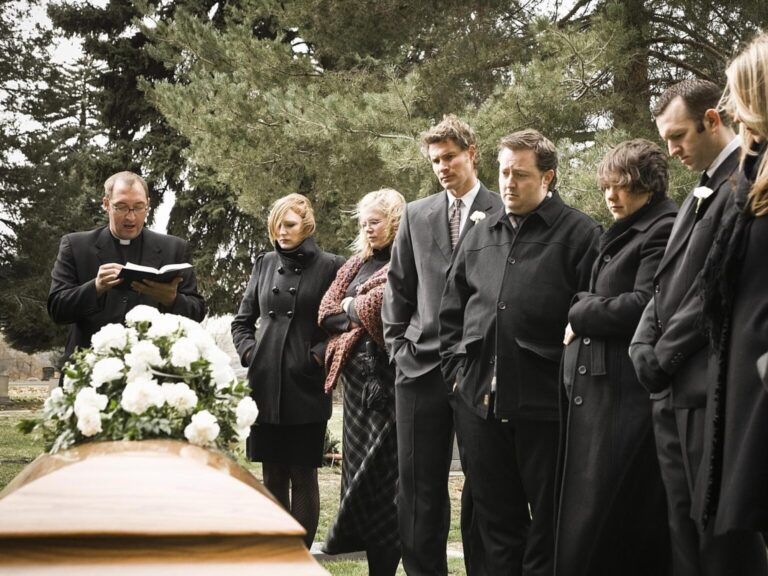
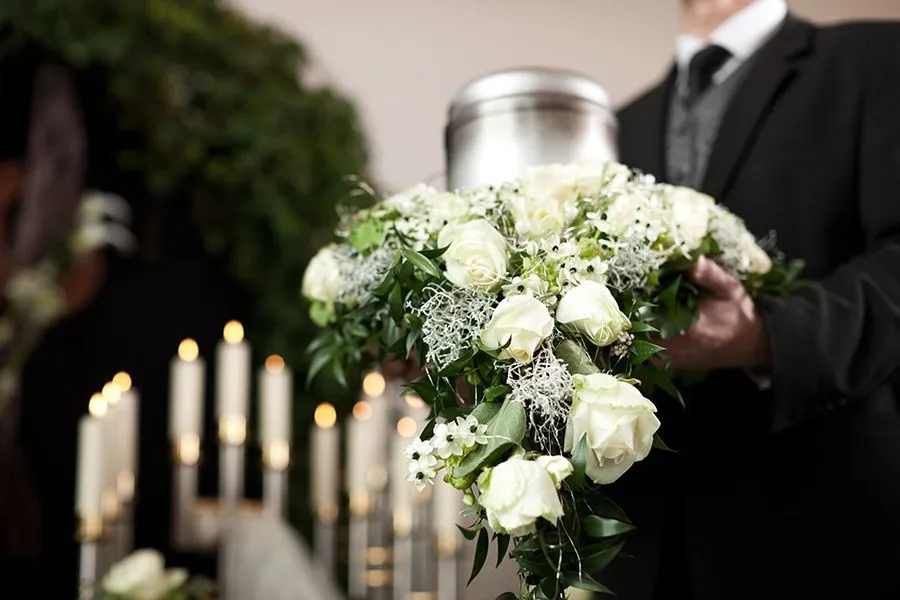
Burial may involve selecting a cemetery location, arranging a casket, choosing a burial space, and coordinating a graveside ceremony. Cremation may involve selecting an urn, deciding whether to hold a service before or after cremation, and determining how the cremated remains will be memorialized.
Personal beliefs, religious traditions, environmental considerations, existing family arrangements, and the individual’s wishes may all influence this decision.
There is no universal answer. What matters most is choosing an option that respects the deceased and works for the family.
Gather Cemetery and Burial Information
If burial is being considered, determine whether the person already had a cemetery plot or family burial space.
Look for cemetery deeds, purchase agreements, plot information, or other records. These documents may identify the cemetery, section, lot, and specific location.
If a burial space has not already been selected, families may need to research available cemeteries and determine what options are appropriate. Location, availability, religious considerations, cost, accessibility, and family preferences may all influence the choice.
Cemetery arrangements should be coordinated early because the availability of a particular location and the cemetery’s scheduling requirements can affect the timing of the service.
Consider Religious and Cultural Traditions
A person’s religious or cultural background can have an important influence on funeral arrangements.
Some traditions have specific expectations regarding burial, cremation, timing, prayers, ceremonies, clothing, visitation, or other elements of the service. Families should identify these requirements before making decisions that could conflict with established practices.
If a religious ceremony is planned, contacting the appropriate religious leader early can help clarify what is required. The family may also want to discuss whether specific prayers, readings, hymns, rituals, or traditions should be included.
For families who do not follow a formal religion, cultural and family traditions may still be an important part of the ceremony.
Decide What Kind of Service Feels Appropriate
Once the basic arrangements are understood, families can think about the type of service they want.
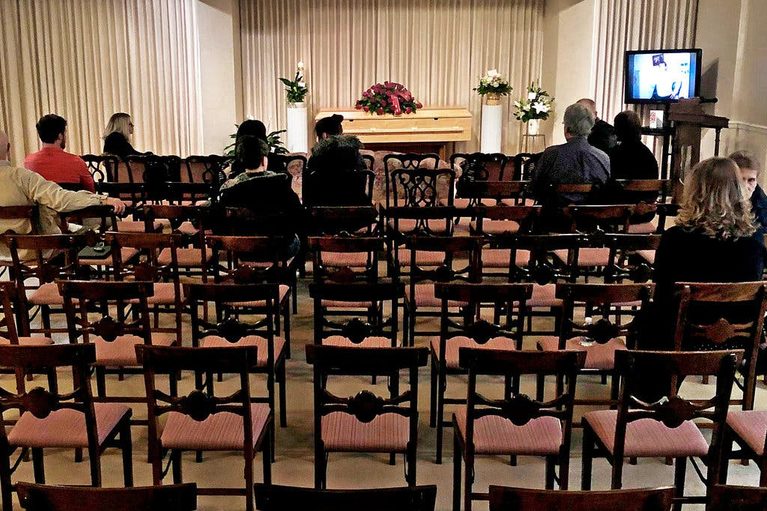
A traditional funeral may include a visitation, ceremony, and graveside service. A memorial service may take place after burial or cremation and can provide more flexibility. Some families prefer a celebration of life that focuses on stories, photographs, music, and personal memories.
Others may want a small gathering with only immediate family and close friends.
The service does not have to follow a particular format. Consider the personality of the person who died. Were they religious? Did they enjoy large gatherings? Did they prefer quiet family occasions? Were there particular places, songs, traditions, or activities that were important to them?
Answering these questions can help shape a service that feels personal rather than simply formal.
Collect Information for the Obituary
An obituary is another important part of the planning process. It provides an opportunity to share the news of the death while documenting the person’s life.
Families may want to gather information about education, employment, military service, marriage, children, grandchildren, hobbies, volunteer work, community involvement, achievements, and other meaningful experiences.
It can also be helpful to collect photographs and stories from different periods of the person’s life.
The obituary does not need to include every detail. The goal is to create an accurate and respectful reflection of the individual and the life they lived.
Think About Who Should Participate
Many families invite relatives and friends to take part in the funeral or memorial service.
Possible roles include delivering a eulogy, reading a poem or scripture, offering a prayer, performing music, sharing a personal story, or helping with other parts of the ceremony.
Think about people who had a particularly meaningful relationship with the deceased. A close friend may have a story that family members have never heard, while a grandchild may want to share a special memory.
Participation should always be voluntary. Some people may want to contribute but may not feel comfortable speaking in front of a large group. In those situations, a written memory, photograph, recording, or other contribution can be a meaningful alternative.
Choose Meaningful Music and Readings
Personal choices can make a funeral service feel much more connected to the person being remembered.
Families can consider the individual’s favorite songs, hymns, poems, scriptures, or quotations. Music may reflect their religious beliefs, cultural background, personality, or simply something they enjoyed listening to throughout their life.
Readings can serve a similar purpose. A favorite poem, passage, prayer, or piece of literature may express emotions that family members find difficult to put into their own words.
These details do not need to be complicated. Sometimes one meaningful song or reading can say more than a lengthy program.
Gather Photographs and Personal Items
Photographs can help tell a person’s story in a way that words cannot.
Families can collect images from childhood, school years, weddings, vacations, careers, holidays, family gatherings, and other important moments. These photographs can be used in a slideshow, displayed at the service, or included in printed memorial materials.
Personal possessions can also add meaning. Items such as military medals, artwork, sports equipment, books, musical instruments, awards, gardening tools, or travel souvenirs can help guests remember the individual’s interests and accomplishments.
A memory table can become a visual representation of the life being celebrated.

Review Financial and Insurance Information
Funeral arrangements also involve financial decisions. Families should determine whether the deceased had life insurance, funeral insurance, a prepaid arrangement, or another source of funds intended for funeral expenses.
If there are existing contracts or policies, gather the paperwork before finalizing arrangements.
Families should also make sure they understand the costs associated with the services they choose. Depending on the arrangements, expenses may include professional services, transportation, cemetery charges, burial or cremation, merchandise, facility use, flowers, printed materials, or other items.
Having a clear understanding of expenses allows families to make decisions based on their circumstances.
Locate Military Records When Applicable
If the deceased served in the military, military records may be needed to coordinate appropriate recognition or honors.
Families should look for discharge paperwork or other military documents that can verify service. If the person was a veteran, sharing this information early in the planning process can help with coordinating available honors.
For many families, recognizing military service is an important part of honoring a loved one’s life and contribution.
Prepare a List of People to Notify
Funeral planning also involves communicating with relatives, friends, employers, organizations, and other important contacts.
Rather than trying to remember everyone individually, create a list of people who should be notified. Close family members can divide the responsibility so that one person is not expected to make every call.
An obituary may also help notify a wider community, particularly people who may not be in regular contact with the immediate family.
Think About Guests Traveling to Rapid City
If family members or friends are coming from outside Rapid City, travel planning may need to be considered when selecting the date and location of the service.
Guests may need information about accommodation, transportation, parking, and the distance between the funeral service and cemetery.
Weather and seasonal travel conditions can also be relevant, particularly when people are traveling long distances or when an outdoor or graveside service is planned.
Giving relatives as much information as possible allows them to make arrangements without unnecessary uncertainty.
Use a Simple Funeral Planning Checklist
Keeping everything organized in one place can make funeral planning easier. Families may want to gather:
- Full legal name and personal information
- Birth and family records
- Existing funeral or pre-planning documents
- Burial or cremation wishes
- Cemetery information
- Religious or cultural preferences
- Military records
- Insurance or prepaid funeral documents
- Obituary information
- Photographs and personal items
- Music, readings, and other preferences
- Names of service participants
- Important contact information
- Travel details for out-of-town guests
Not every family will need every item. The checklist is simply a practical starting point.
What If You Do Not Have All the Information?
Families should not assume that every document or detail must be available before funeral planning can begin.
Some information may take time to locate, and certain decisions may require discussion among family members. Start with the information that is readily available and work through the remaining details gradually.
Funeral professionals, cemeteries, religious organizations, insurance providers, and government agencies can often explain what documentation is required for their part of the process.
The most important thing is to avoid feeling that everything must be solved immediately.
Planning Does Not Have to Be Perfect
There can be pressure to create the “perfect” funeral, especially when families are trying to honor someone they deeply loved. In reality, a meaningful funeral does not depend on elaborate arrangements.
A service can be simple and still be deeply personal. A few photographs, a favorite song, a heartfelt story, and the presence of people who cared about the deceased may be enough to create a meaningful gathering.
The purpose is to remember the individual and provide a space for people to grieve together. Every family will approach this differently.
Final Thoughts
Knowing what information you need to plan a funeral can make an unfamiliar process feel much less overwhelming. Personal records, funeral wishes, family information, burial or cremation preferences, cemetery details, religious traditions, and financial documents all help provide a foundation for making arrangements.
For families in Rapid City, additional considerations such as local cemeteries, travel, weather, religious organizations, and service locations may also influence planning. Taking time to organize these details can reduce confusion and allow family members to make thoughtful decisions.
Most importantly, funeral planning is not simply about completing a checklist. It is about creating an opportunity to remember someone, share their story, and honor the relationships and experiences that made their life meaningful. Taking the process one decision at a time can help families create a funeral or memorial service that feels respectful, personal, and true to the person they are remembering.