How to Plan a Burial Service in Rapid City Step by Step
Planning a burial service can feel difficult when a family faces loss. Many decisions come quickly. Families need to choose a funeral home, select a cemetery, decide on a casket, prepare documents, and plan the graveside service.
A clear step-by-step process helps reduce stress. It also helps the family make respectful choices without confusion.
In Rapid City, burial planning often includes cemetery coordination, weather planning, transportation, family traditions, and help from a local funeral director. This guide explains each step in simple terms.
What Is a Burial Service?
A burial service is the process of laying a loved one to rest in a cemetery or burial ground. It may happen after a funeral service, visitation, church service, or private family gathering.
Some families choose a full traditional burial. Others choose a direct burial with no formal service before the burial.
A burial service may include:
- A casket burial
- A graveside service
- A committal ceremony
- Prayers or readings
- Family tributes
- Military honors, if eligible
- Flower placement
- Final goodbyes
The main goal is to honor the deceased and give the family a respectful place to gather, remember, and say goodbye.
Step 1: Contact a Local Funeral Home in Rapid City
The first step is to contact a funeral home in Rapid City. A funeral director helps the family understand the burial process and handle important arrangements.
A funeral home can help with:
- Transfer of the deceased
- Care and preparation
- Death certificate support
- Burial paperwork
- Cemetery coordination
- Casket selection
- Service planning
- Transportation
- Family guidance
This step matters because most families do not know every legal, cemetery, and timing requirement. A local funeral director can explain what needs to happen first and what can wait.
Families should share basic information during the first call, including the name of the deceased, location of death, family contact details, and any known burial wishes.
Step 2: Decide Between Traditional Burial and Direct Burial
The next step is to decide what type of burial service fits the family’s wishes, beliefs, and budget.
Traditional Burial
A traditional burial usually includes a funeral service before the burial. The family may also hold a viewing or visitation.
A traditional burial may include:
- Visitation or viewing
- Funeral ceremony
- Casket selection
- Procession to the cemetery
- Graveside committal service
- Flowers, music, prayers, or readings
Families often choose this option when they want a formal gathering where relatives and friends can attend, share memories, and support one another.
Direct Burial
Direct burial is a simpler option. The burial takes place without a formal funeral service beforehand.
Direct burial may work well when:
- The family wants a simple arrangement
- The deceased requested no formal ceremony
- Relatives plan to hold a memorial later
- The family wants to reduce costs
- Timing does not allow a large service
Direct burial still allows dignity and care. Families can still visit the cemetery, hold a small graveside moment, or arrange a memorial service at another time.
Which Burial Option Fits Best?
The right choice depends on family needs.
Consider:
- Religious beliefs
- Family traditions
- Budget
- Timing
- Travel needs
- Personal wishes of the deceased
- Whether the family wants a public or private service
No single option fits every family. The best choice is the one that honors the loved one and gives the family peace.
Step 3: Choose a Cemetery in or Near Rapid City
After choosing the burial type, the family needs to select a cemetery. Some families already own a burial plot. Others need help finding available cemetery space.
When choosing a cemetery, consider:
- Location
- Available plots
- Family burial history
- Religious preferences
- Veteran eligibility
- Cemetery rules
- Marker or headstone guidelines
- Maintenance
- Opening and closing fees
- Long-term access for family visits
Some families want a cemetery close to home. Others prefer a family plot, church cemetery, or veteran cemetery. The funeral director can help contact the cemetery and confirm the next steps.
Families should ask the cemetery about rules before making final choices. Some cemeteries have specific guidelines for monuments, outer burial containers, flowers, decorations, and service timing.
Step 4: Select the Burial Plot or Interment Option
The cemetery will help confirm the available burial options. The family may choose a single grave, companion plot, family plot, or another type of interment.
Common burial placement options include:
- Single grave plot
- Companion plot
- Family plot
- Veteran burial option
- Burial of cremated remains
- Mausoleum placement, where available
The family should confirm the exact plot location, cemetery section, and any future use options. This helps avoid confusion later.
If the deceased served in the military, ask about veteran burial benefits. The family may need discharge papers or other documents to confirm eligibility.
Step 5: Choose a Casket and Burial Container
The family will need to choose a casket for a casket burial. Caskets come in different materials, styles, and price ranges.
Casket Selection
Common casket options include:
- Wood caskets
- Metal caskets
- Simple caskets
- Traditional caskets
- Personalized caskets
The family should choose based on preference, budget, and the wishes of the deceased. A funeral director can explain the options without pressure.
Burial Vault or Grave Liner
Some cemeteries require an outer burial container, such as a burial vault or grave liner. This container supports the ground around the grave.
Requirements vary by cemetery. Families should confirm this early so they understand the full cost and cemetery rules before the burial date.
Step 6: Gather Required Documents
Burial planning requires paperwork. A funeral director can help the family understand what documents they need.
Common documents may include:
- Personal details of the deceased
- Death certificate information
- Burial authorization
- Cemetery paperwork
- Pre-planning documents
- Veteran discharge papers, if applicable
- Insurance or payment information, if needed
The family should also look for any written wishes from the deceased. These may include burial preferences, cemetery choice, religious requests, or prepaid funeral plans.
Having documents ready can help avoid delays.
Step 7: Plan the Graveside or Committal Service
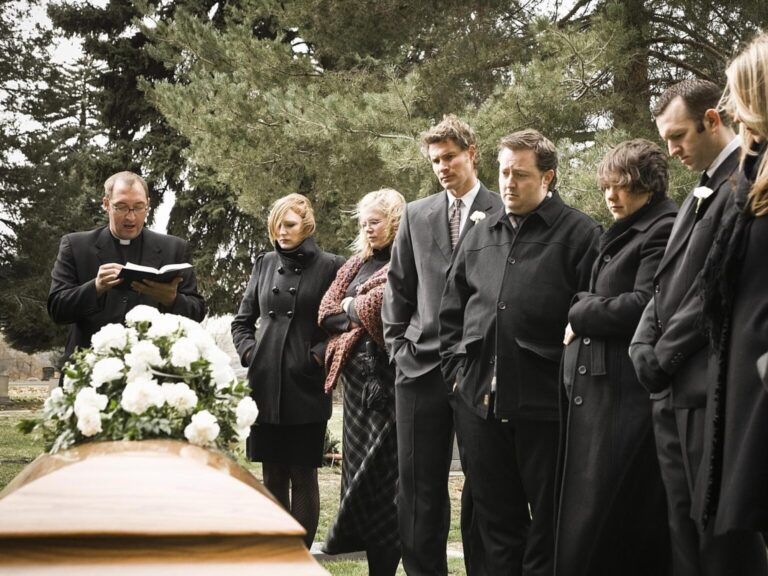
The graveside service gives the family a final moment at the cemetery. Some families keep it short and private. Others include prayers, readings, music, or military honors.
A graveside service may include:
- Opening words
- Prayer
- Scripture or reading
- Short reflection
- Family tribute
- Military honors
- Final committal
- Flower placement
- Closing words
Families should decide who will lead the service. This may be a clergy member, celebrant, funeral director, or family member.
What Happens at a Graveside Service?
A simple graveside service often follows this order:
- Family and guests arrive at the cemetery.
- The casket rests near the grave.
- The service leader welcomes everyone.
- Prayers, readings, or reflections take place.
- The final committal is shared.
- Family members place flowers or say goodbye.
- The service ends.
Most graveside services stay brief, especially during cold, windy, or snowy weather.
Step 8: Arrange Transportation and Procession Details
Transportation plays an important role in burial planning. The funeral home can help arrange the hearse, family vehicles, and procession details.
Transportation may include:
- Hearse for the casket
- Family cars
- Funeral procession
- Route planning
- Parking coordination
- Accessibility for elderly guests
In Rapid City, weather and travel distance can affect timing. Families should plan extra time during winter or poor road conditions.
If the burial follows a church or chapel service, the funeral director can help coordinate the route from the service location to the cemetery.
Step 9: Consider Religious, Cultural, and Family Traditions
Every family has different beliefs and traditions. Some families follow Christian burial customs. Others may include personal, cultural, military, or private family traditions.
Families should share these wishes early.
This may include:
- Specific prayers
- Scripture readings
- Hymns or music
- Religious symbols
- Family rituals
- Cultural customs
- Military honors
- Personal items or flowers
Clear communication helps the funeral director coordinate the service with care and respect.
This is also where many families look for complete funeral services in Rapid City when they need help with both the ceremony and burial arrangements.
Step 10: Plan for Weather and Seasonal Conditions in Rapid City
Burial services often take place outdoors. Rapid City weather can change quickly, so families should plan with the season in mind.
During winter, families may face snow, cold temperatures, wind, or icy cemetery paths. During summer, heat and sun exposure can affect older guests.
Helpful weather planning steps include:
- Keep the graveside service brief in harsh weather
- Ask about tents or coverings
- Plan seating for elderly family members
- Choose a suitable time of day
- Tell guests to dress for outdoor conditions
- Allow extra travel time during winter
- Confirm parking and walking access
This small step can make the service more comfortable for everyone.
Step 11: Understand Burial Service Costs
Burial costs can vary based on service choices, cemetery requirements, and casket selection. Families should ask for clear pricing before making final decisions.
Common burial service costs may include:
- Funeral home service fees
- Casket
- Cemetery plot
- Grave opening and closing
- Burial vault or liner
- Transportation
- Graveside service support
- Headstone or marker
- Obituary
- Flowers
- Clergy or celebrant honorarium
A traditional burial usually costs more than direct burial because it may include viewing, ceremony, transportation, and additional coordination.
Families should ask for a written estimate. This helps them compare options and avoid surprise costs.
Step 12: Confirm Final Details Before the Burial
Before the burial day, the family should confirm every important detail.
Use this final checklist:
- Funeral home confirmed
- Cemetery confirmed
- Burial plot selected
- Date and time confirmed
- Casket selected
- Vault or liner requirement checked
- Documents completed
- Graveside service planned
- Clergy or celebrant confirmed
- Pallbearers selected
- Transportation arranged
- Family notified
- Obituary handled, if needed
- Flowers ordered
- Military honors requested, if eligible
- Weather plan reviewed
This final review helps the burial day run smoothly.
Burial Service Checklist for Rapid City Families
Here is a simple checklist families can follow:
- Contact a local funeral home
- Decide between traditional burial and direct burial
- Choose a cemetery
- Confirm the burial plot
- Select a casket
- Ask about vault or liner requirements
- Gather required documents
- Plan the graveside service
- Choose prayers, readings, or music
- Arrange transportation
- Confirm family traditions
- Prepare for weather
- Review costs
- Confirm final schedule
This checklist gives families a clear path during a difficult time.
Common Mistakes to Avoid When Planning a Burial Service
Families can avoid stress by watching for common mistakes.
Avoid these issues:
- Waiting too long to contact the cemetery
- Choosing a casket before checking cemetery rules
- Forgetting veteran documents
- Not asking about vault or liner requirements
- Not confirming the grave location
- Overlooking weather conditions
- Not planning transportation
- Forgetting elderly guest needs
- Not discussing family wishes early
- Not asking for a written cost estimate
Good planning does not remove grief, but it does reduce confusion.
How a Funeral Director Helps With Burial Planning
A funeral director helps guide the family through each part of the burial process. This support matters when the family has little time and many decisions to make.
A funeral director can help:
- Explain burial options
- Coordinate with the cemetery
- Help complete documents
- Arrange transportation
- Plan the graveside service
- Support religious or family customs
- Guide casket selection
- Confirm timing
- Help avoid missed details
Local guidance matters because every cemetery, service, and family situation can differ.
Final Thoughts
Planning a burial service in Rapid City becomes easier when the family follows a clear process. Start with a local funeral home, choose the burial type, select a cemetery, confirm the plot, gather documents, plan the graveside service, and review all final details before the burial day.
Families who want another respectful end-of-life option can also learn more about cremation services through West River Funeral Directors.