
Funeral Arrangements Checklist for Families in Rapid City, SD
Planning a funeral after losing a loved one can feel overwhelming, especially when there are numerous decisions to make within a short period. Families may need to arrange transportation, complete important paperwork, decide between burial and cremation, coordinate with relatives, and determine how they want to honor the person who has passed away. During a time of grief, even straightforward tasks can feel difficult to organize.
Having a clear funeral arrangements checklist can make the process more manageable. Instead of trying to remember every detail at once, families can approach each part of the planning process step by step. A checklist also helps relatives divide responsibilities, keep track of important information, and make sure essential arrangements are not overlooked.
For families in Rapid City, South Dakota, planning may involve additional considerations related to local cemeteries, churches, memorial locations, weather, travel, and community traditions. Understanding what needs to be arranged and when can provide greater clarity during an emotionally challenging period.
This guide provides a practical overview of the major steps involved in planning a funeral or memorial service in Rapid City. Every family and situation is different, so not every item will apply to everyone. The purpose is to provide a helpful starting point for organizing arrangements while allowing families to create a service that reflects their loved one’s wishes, beliefs, and personality.
What to Do Immediately After a Death
The first stage of funeral planning often involves taking care of immediate responsibilities. The exact steps depend on where the death occurred and the circumstances surrounding it.
If a death occurs in a hospital, hospice facility, or another care setting, staff members typically guide the immediate procedures and necessary documentation. When a death occurs at home, families may need to contact the appropriate medical or emergency professionals before transportation arrangements can be made.
Once the necessary authorities and medical professionals have completed their responsibilities, the family can begin contacting a funeral home to discuss transportation and arrangements. This is also a good time to identify a close family member who can serve as the main point of contact during the planning process.
Having one or two people coordinate information can prevent confusion when multiple relatives are involved. Other family members can then focus on notifying loved ones, making travel arrangements, gathering photographs, or handling other responsibilities.
Contact a Funeral Home and Discuss Available Services
One of the first major planning decisions is choosing a provider for funeral home services. Families may want to speak with a funeral home about what assistance is available, what arrangements need to be made immediately, and what decisions can wait.
The first conversation does not necessarily require families to have every detail decided. Funeral professionals can explain the different options and help families understand the planning timeline.
This is an opportunity to discuss whether the family is considering a traditional funeral, a memorial service, burial, cremation, or another type of arrangement. Families can also ask about transportation, visitation, preparation of the deceased, obituary information, service locations, and coordination with cemeteries or religious organizations.
Clear communication at this stage can help families understand their responsibilities and avoid feeling pressured to make every decision at once.
Gather Important Documents
Funeral planning often requires several pieces of personal information and documentation. Gathering these items early can make the administrative side of arrangements easier.
Important information may include the person’s full legal name, date and place of birth, Social Security information, marriage information, military records, insurance documents, cemetery records, and any existing pre-planning documents.
Families should also look for written instructions that may have been left by the deceased. A will, funeral planning document, letter of wishes, or other personal record may provide information about preferred arrangements.
Not every document will be needed immediately, but having important records organized can help prevent delays later.
Determine Burial or Cremation Preferences
One of the most significant decisions in funeral planning is determining whether the person will be buried or cremated.
If the individual previously expressed a preference, families should review any written instructions or discussions that documented their wishes. If no preference was recorded, family members may need to discuss the available options together.
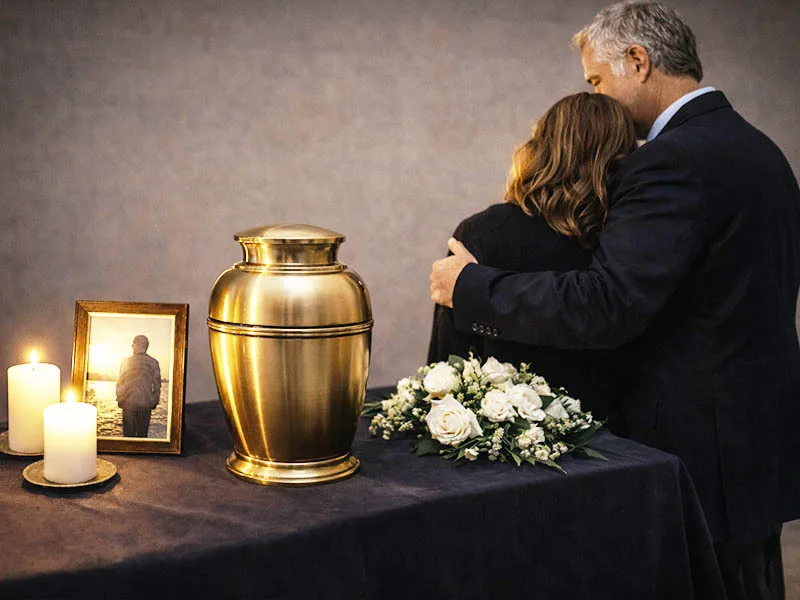
Burial may involve selecting a cemetery, purchasing or using an existing burial space, choosing a casket, and arranging a graveside service. Cremation may involve decisions about an urn, memorial service, placement of cremated remains, or other forms of remembrance.
There is no single choice that is appropriate for every family. Religious beliefs, cultural traditions, personal preferences, existing cemetery arrangements, and family circumstances may all influence the decision.
Choose the Type of Funeral or Memorial Service
The next step is deciding what type of gathering will honor the person’s life.
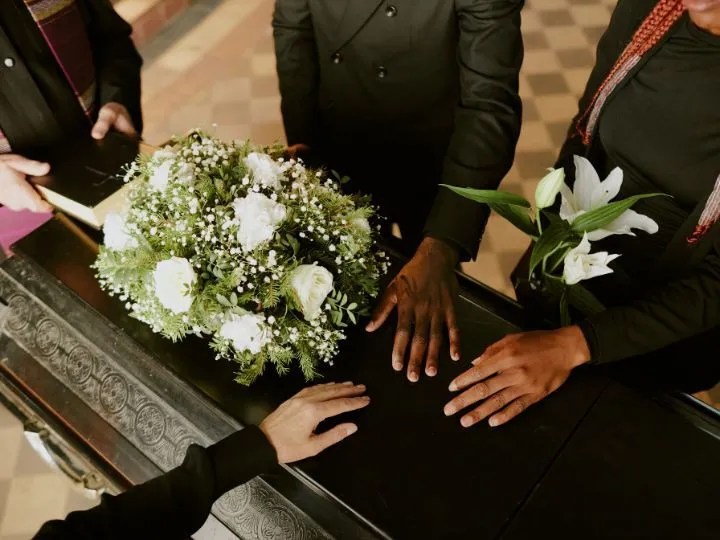
A traditional funeral service may include a visitation or viewing, ceremony, and graveside service. A memorial service may take place after burial or cremation and can offer greater flexibility regarding timing and location.
Some families prefer a religious ceremony that follows established traditions, while others choose a celebration of life centered around photographs, music, stories, and personal memories. Small private gatherings are another option for families who prefer a more intimate setting.
The service should reflect the person being remembered rather than follow a particular formula. Thinking about their beliefs, personality, relationships, and wishes can help families determine the most appropriate format.
Select a Date, Time, and Location
Once the type of service has been decided, families can begin coordinating the date, time, and location.
Churches, funeral homes, cemeteries, community facilities, private properties, and outdoor locations may all be considered depending on the family’s preferences and the type of gathering being planned.
For families in Rapid City, weather can be an important consideration when planning outdoor ceremonies or graveside services. Relatives traveling from outside the area may also need additional time to arrange flights, driving, accommodations, or time away from work.
Choosing a date that gives close family members enough time to travel can help make the gathering more inclusive.
Coordinate With Religious or Community Leaders
If the family plans to hold a religious funeral or memorial service, it is important to contact the appropriate clergy member or religious leader early in the process.
Religious traditions may influence the timing, structure, readings, prayers, music, burial practices, or other elements of the ceremony. Some faith traditions have specific requirements that families should understand before finalizing arrangements.
For non-religious services, families may instead choose a celebrant, family member, close friend, or another person to lead the ceremony.
Discussing expectations in advance helps ensure that the service reflects the family’s beliefs and the wishes of the deceased.
Prepare the Obituary and Death Announcement
An obituary serves as both an announcement and a lasting written tribute. Families can use it to share important information about the person’s life while notifying friends and community members about funeral or memorial arrangements.
A typical obituary may include the person’s name, age, date of passing, family information, education, career, military service, hobbies, community involvement, and significant accomplishments.
It may also include the date, time, and location of the funeral or memorial service if the family wishes to make those details public.
Before submitting an obituary, carefully check names, dates, locations, and service information. A family member or close friend can review the text to help identify errors and ensure the tribute accurately reflects the person’s life.
Decide Who Will Participate in the Service
Family members and friends can play an important role in creating a personal and meaningful service.
Possible participants may include people who deliver eulogies, readings, prayers, poems, musical performances, or personal reflections. Children and grandchildren may also want to participate in age-appropriate ways.
It is helpful to contact participants before finalizing the program so everyone understands what they are being asked to do and when they will need to arrive.
Not everyone will feel comfortable speaking publicly, so participation should always be voluntary. A written memory or recorded message can provide an alternative for someone who wants to contribute but does not wish to speak during the service.
Gather Photographs and Personal Memories
Photographs are often one of the most meaningful elements of a memorial service. Families can collect pictures from different stages of the person’s life, including childhood, school years, marriage, career, vacations, holidays, and family gatherings.
A memory table can also include personal items that represent important parts of the person’s identity. Military medals, artwork, sports memorabilia, books, musical instruments, gardening tools, travel souvenirs, or professional awards can help tell their story.
Creating a slideshow or video tribute is another option. Family members can contribute photographs and short video clips, allowing everyone to participate in preserving memories.
Select Music, Readings, and Other Personal Details
Music can bring powerful memories to the surface and create a comforting atmosphere during a funeral or memorial service. Families may choose hymns, religious music, instrumental pieces, or favorite songs that had personal meaning.
Readings and poems can also be selected based on the person’s beliefs, personality, or interests.
Personal details do not need to be elaborate. A favorite song, a familiar photograph, a meaningful quote, or a story shared by a close friend can make a service feel deeply connected to the person being remembered.
Plan Flowers, Donations, and Memorial Tributes
Families may need to decide whether they would like flowers at the service. Some people choose traditional floral arrangements, while others prefer a more personalized display.
In some cases, families request donations to a charity, community organization, religious institution, or cause that was important to the deceased instead of flowers.
Other lasting tribute options may include planting a tree, establishing a scholarship, creating a memorial garden, or organizing a community project in the person’s memory.
These decisions are entirely personal, and families should choose options that genuinely reflect their loved one’s values.
Coordinate Cemetery or Final Resting Place Arrangements
For a burial, families will need to coordinate with the cemetery regarding the burial location, available space, grave opening and closing, and scheduling.
If the individual already had a cemetery plot or family burial space, relevant records should be located as early as possible.
For cremation, families may need to decide what will happen to the cremated remains. Options may include placement in a cemetery, columbarium, family location where permitted, or another meaningful arrangement consistent with applicable laws and the family’s wishes.
Understanding cemetery and local requirements in advance can help prevent unexpected complications.
Arrange Transportation and Travel Details
Transportation is another important part of funeral arrangements. Depending on the circumstances, transportation may be required for the deceased, family members, clergy, or guests.
Family members traveling to Rapid City may also need information about nearby accommodations, transportation, parking, and the location of the service.
Providing relatives with clear information about dates, addresses, and schedules can make travel easier, particularly for elderly family members or those unfamiliar with the area.
Review Costs and Understand the Arrangements
Funeral expenses can vary significantly depending on the services and products selected. Families should take time to understand what is included in the arrangements and what may involve additional costs.
Questions about service fees, transportation, cemetery charges, merchandise, cremation costs, memorial products, and other expenses should be discussed clearly before arrangements are finalized.
A written estimate or itemized information can help families understand the overall financial commitment and compare available options.
The goal is to make decisions based on the family’s wishes and circumstances rather than feeling pressured during an emotional period.
Prepare for the Day of the Service
As the service approaches, reviewing the final details can help prevent unnecessary stress.
Confirm the date, time, location, transportation, participants, music, readings, photographs, obituary information, floral arrangements, and cemetery schedule. Make sure family members and participants know where they need to be and when.
It can also help to designate someone other than the closest grieving family members to handle practical questions on the day of the service. This allows immediate family to focus on each other and on remembering their loved one.
After the Funeral or Memorial Service
Planning does not necessarily end when the funeral or memorial service is over. Families may still need to handle administrative responsibilities, thank-you notes, memorial donations, personal belongings, cemetery matters, and estate-related tasks.
Copies of the death certificate may be needed for insurance claims, financial accounts, government agencies, and other administrative matters.
Grief also continues well beyond the funeral. Families may benefit from staying connected with supportive relatives, friends, community organizations, or grief resources during the weeks and months that follow.
The funeral is one part of the grieving journey, not its conclusion.
A Simple Funeral Arrangements Checklist
Keeping a written checklist can make the process easier to manage. Depending on the circumstances, families may want to review the following:
- Contact the appropriate medical professionals and a funeral home
- Gather important personal and legal documents
- Review any pre-planning instructions
- Decide between burial and cremation
- Select the type of funeral or memorial service
- Choose a date, time, and location
- Contact religious or community leaders if needed
- Coordinate cemetery arrangements
- Prepare the obituary
- Select music, readings, and speakers
- Gather photographs and personal items
- Arrange flowers or memorial donations
- Coordinate transportation and travel
- Review and understand costs
- Confirm final details before the service
- Handle necessary responsibilities after the service
Not every family will need every item on this list. The purpose is to provide a framework that can be adapted to individual circumstances.
Final Thoughts
Planning a funeral while grieving can be challenging, but having a clear checklist can make the process more organized and manageable. From the first call to a provider of funeral home services through the final details of the memorial, each step provides an opportunity to honor a loved one’s life in a way that reflects their wishes and the needs of their family.
For families in Rapid City, taking local considerations into account can make planning easier, particularly when coordinating cemeteries, religious organizations, venues, travel, and outdoor services. Most importantly, families do not need to create a perfect ceremony. A meaningful funeral service reflects the person being remembered and gives loved ones a place to gather, share memories, and support one another.
Whether arrangements involve a traditional burial, cremation, a formal funeral, or a more personal memorial gathering, thoughtful memorial planning can provide structure during an uncertain time. Taking decisions one step at a time allows families to focus less on the pressure of planning and more on what matters most: remembering and honoring someone whose life made a lasting difference.