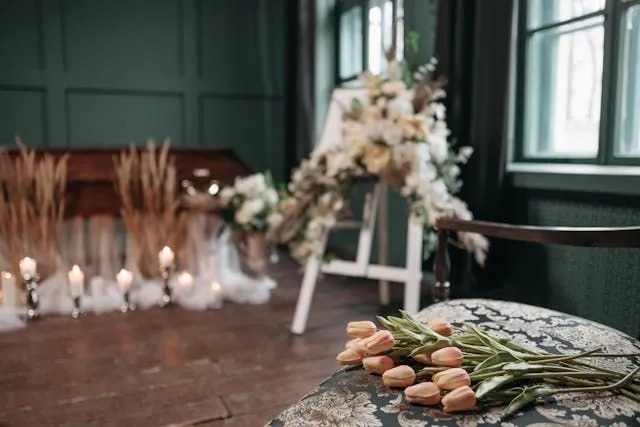
Funeral Reception Planning: Bringing Family and Friends Together After the Service
A funeral service offers an important opportunity to honor someone who has died, but remembrance doesn’t necessarily end when the formal ceremony concludes. For many families, gathering afterward for food, conversation, photographs, and shared memories becomes an important part of the day. A funeral reception can give relatives and friends a quieter setting in which to reconnect and support one another. Unlike the formal structure of a funeral or memorial ceremony, a reception is generally more informal. Guests can sit together, share memories, eat a meal, and spend time with people they may not have seen in years. The gathering can be as simple as coffee and refreshments or as organized as a catered meal.
When planning a Memorial Service in Rapid City, families may choose to hold a reception immediately afterward or arrange one separately. There is no single format that every family needs to follow. The most appropriate reception is usually one that reflects the wishes of the family and the personality of the person being remembered.
What Is a Funeral Reception?
A funeral reception is a gathering that takes place before or, more commonly, after a funeral or memorial service. It allows family members, friends, and other guests to spend time together outside the formal ceremony. The atmosphere is usually less structured than the service itself. Instead of listening to a series of readings or speakers, guests may share stories naturally over a meal or refreshments.
A reception can also provide an opportunity for people who were unable to speak during the service to share their memories privately with family members. The gathering may take place at a variety of locations, including a private home, community facility, religious building, restaurant, event space, or another suitable venue.
Why Funeral Receptions Matter
Grief is not limited to the period during a formal funeral. After the ceremony ends, family members may still need companionship and emotional support. A reception provides an opportunity to remain together rather than immediately returning to separate homes. The informal setting can make it easier for people to talk, tell stories, laugh, cry, and simply sit with one another.
For some guests, the reception may also be their first opportunity to meet relatives or friends of the deceased whom they have heard about but never encountered. These interactions can create a sense of community during an otherwise difficult time.
Choosing Between a Formal and Informal Reception
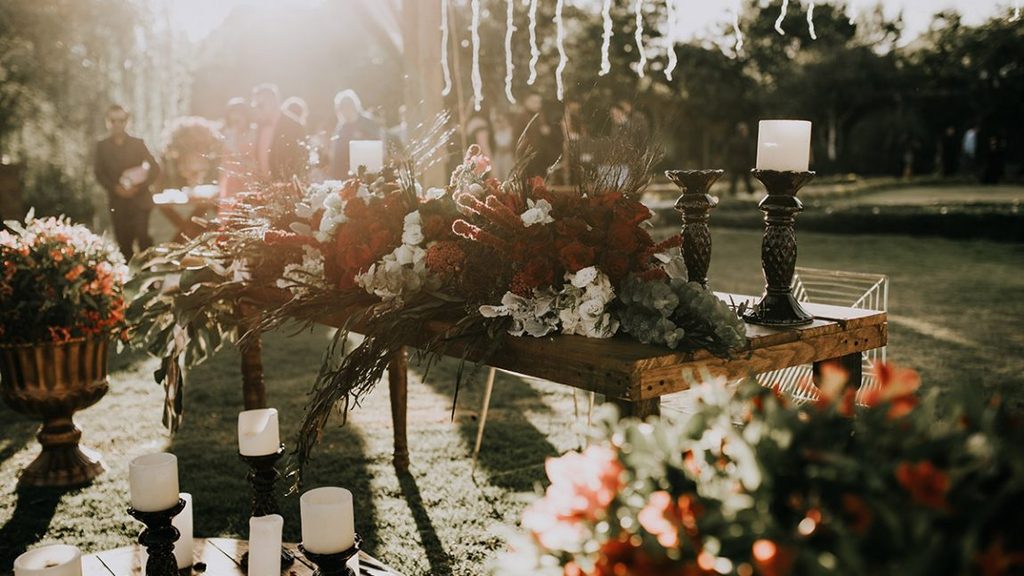
Not every family wants a formal reception. Some may prefer a catered meal with assigned seating, while others may simply offer coffee, tea, light refreshments, and a place for guests to sit. The choice can depend on the number of people attending, the family’s budget, the location, and the personality of the deceased.
A person who enjoyed hosting large family dinners might be remembered through a full meal. Someone who preferred quiet gatherings might be better represented by coffee, dessert, and informal conversation. There is no requirement for a reception to resemble a formal event. Its primary purpose is to bring people together.
Selecting the Right Location
The location can have a significant effect on how comfortable the reception feels. A private home may create a familiar and relaxed atmosphere, particularly when the deceased spent significant time there. A community hall can provide more space for larger groups. A restaurant may reduce the amount of preparation required from the family.
Some families may also choose to hold the reception at the same facility as the funeral or memorial service. This can make transportation easier for guests and allow the gathering to transition naturally from the formal ceremony. For a Memorial Service in Rapid City, families can consider the distance between the service location and reception venue. A short travel distance can be especially helpful for older guests and those unfamiliar with the area.
Estimating the Number of Guests
Knowing approximately how many people may attend can make planning much easier. The expected number of guests will influence the choice of venue, amount of food, seating, parking, and overall organization. Families may use the funeral announcement or obituaries to communicate whether the reception is open to everyone who attends the service or intended for a smaller group.
It is not always possible to predict attendance precisely. Some people may attend the funeral but leave afterward, while others may join the reception later. When exact numbers are uncertain, families can plan for a reasonable range rather than trying to predict every guest.
Planning the Food
Food is often one of the central elements of a funeral reception, but it does not need to be complicated. Families can choose catered meals, sandwiches, baked goods, desserts, fruit, or simple refreshments. A potluck-style gathering may also be appropriate when family members and friends want to contribute food. The best option depends on the venue and the number of guests.
If the deceased had favorite foods or recipes, incorporating them can make the reception more personal. A favorite dessert, family recipe, or traditional dish can become a simple but meaningful way of remembering them. Food can also provide a natural way for guests to begin conversations about shared memories.
Considering Dietary Needs
When planning food for a reception, families may want to consider common dietary requirements and allergies. Vegetarian options, clearly labeled dishes, and alternatives for common food allergies can help more guests participate comfortably. This does not mean the family needs to provide an extensive menu. A few clearly identified alternatives can be enough. If a caterer is involved, dietary requirements can be discussed in advance so appropriate options are available.
Creating a Memory Table
A reception provides an excellent opportunity to display personal items that tell the story of someone’s life. A memory table might include photographs, awards, books, artwork, military memorabilia, favorite possessions, travel souvenirs, or objects connected to hobbies. These displays often encourage guests to start conversations. Someone may recognize an old photograph and share a story that the immediate family has never heard. A memory table does not need to be elaborate. A small collection of carefully chosen items can be more meaningful than a large display.

Sharing Photographs and Videos
Photographs are often a natural part of funeral receptions. Families may display albums or create a slideshow featuring different stages of the person’s life. Photographs from childhood, family gatherings, holidays, careers, friendships, and hobbies can help guests remember different aspects of the deceased. A video tribute can also be shown if the venue has suitable equipment. Families should consider the emotional atmosphere when selecting photographs and videos. The goal is to represent the person’s life honestly and respectfully rather than creating a polished presentation simply for the sake of appearance.
Allowing Guests to Share Memories
Some families choose to include an informal memory-sharing period during the reception. Unlike a formal eulogy, this can be spontaneous. Guests might tell a short story while sitting at a table or share a favorite memory with a small group.
There does not need to be a requirement for everyone to speak. Some people may feel comfortable sharing stories publicly, while others may prefer private conversations. Giving guests a choice allows people to participate according to their own comfort level. These stories can sometimes become some of the most memorable parts of the gathering.
Incorporating the Person’s Interests
A reception can reflect the interests and personality of the person being remembered. For someone who loved gardening, plants or flowers may be incorporated into the setting. A music lover might be remembered through a selection of favorite songs. Someone who enjoyed cooking could be represented through favorite family recipes.
Sports memorabilia, books, artwork, photographs, collections, or other personal belongings can also be displayed. These details help shift the focus from the fact of the loss toward the experiences and qualities that made the person unique.
Religious and Cultural Considerations
Funeral receptions can look very different depending on religious, cultural, and family traditions. Some communities have established customs surrounding meals, prayers, hospitality, or gatherings after a funeral. In other families, the reception may be completely informal. Families should consider any traditions that are important to them and determine how they can be incorporated appropriately.
When planning funeral services, it can be useful to discuss reception customs with religious or community leaders when specific traditions need to be observed.
Handling the Reception Invitation
Communication is an important part of reception planning.Families should make it clear whether everyone attending the funeral is welcome at the reception or whether the gathering is limited to family and close friends.
The information can be included in obituaries, funeral announcements, invitations, or direct messages to relatives and friends. If the reception is being held at a private residence, the family may choose to share the address directly with invited guests rather than publishing it publicly. Clear communication can prevent confusion and allow the family to maintain whatever level of privacy they prefer.

Preparing for Guests Who Travel
Funeral guests may travel considerable distances to attend the service. A reception can provide an opportunity to reconnect with relatives who live far away. Families may want to include practical information about parking, transportation, location, and approximate timing.
If visitors are unfamiliar with Rapid City, providing clear directions or location information can make the day easier. For a Memorial Service in Rapid City, families can also consider whether guests will need time to travel from the service to the reception. Allowing sufficient time between locations can reduce stress.
Making the Reception Comfortable for Older Guests
Funeral receptions often include people of different ages and mobility levels. Comfortable seating, accessible entrances, nearby restrooms, and reasonable walking distances can make a significant difference for older relatives or guests with mobility limitations.
If the reception is outdoors, families should also consider weather conditions, shade, temperature, and available seating. Small practical details can help guests focus on being together rather than dealing with unnecessary physical discomfort.
Managing Children at a Funeral Reception
Children may attend funeral receptions, and their presence can bring both energy and emotion to the gathering. Families should not necessarily expect children to behave like adults throughout the entire event. Younger children may need breaks, food options they recognize, or a quiet space.
Including children can also create meaningful moments. Grandchildren may want to look through photographs, hear stories about their relative, or contribute a drawing or written message. A reception can give younger family members a less formal opportunity to participate in remembrance.
Music and Atmosphere
Music can help create a comfortable atmosphere without becoming the central focus. Families may choose instrumental music, favorite songs of the deceased, traditional music, or simply allow conversation to fill the room. The right choice depends on the person and the family.
A reception generally works best when the atmosphere feels natural rather than overly staged. Comfortable seating, appropriate lighting, and familiar music can create an environment where people feel able to talk and remember.
Supporting Guests Emotionally
A funeral reception can bring together people experiencing grief in very different ways. Some guests may want to talk extensively about the deceased. Others may remain quiet. Some may laugh while remembering funny experiences, while others may become emotional unexpectedly.
There is no single appropriate way to behave at a reception. Family members can help by allowing people to respond naturally and avoiding pressure to participate in conversations or activities. Sometimes simply sitting together and sharing a meal provides enough support.
What the Family Does Not Have to Handle Alone
Funeral planning can involve many decisions, and families may feel overwhelmed when they are also dealing with grief. The reception does not need to become another major event requiring extensive organization. Families can divide responsibilities among relatives and friends.
One person might coordinate food, another might manage photographs, and someone else might communicate information to guests. Delegating practical tasks can allow immediate family members to spend more time with relatives and focus on remembrance.
Keeping the Reception Simple
A meaningful reception does not require expensive decorations or an elaborate menu. Simple food, comfortable seating, photographs, and an opportunity to talk may be all that is needed.
Families sometimes feel pressure to create a polished event because they want everything to be perfect. However, the emotional value of a reception generally comes from the people present rather than the decorations or details.
The gathering should serve the family rather than create additional stress.
Connecting the Reception With the Funeral Service
A reception can complement the formal funeral without repeating it. The funeral may focus on ceremony, readings, prayers, music, and a eulogy. The reception can then provide space for informal conversation and personal stories. This distinction allows each part of the day to serve a different purpose.
During funeral services, guests may listen and reflect. During the reception, they can talk, eat, remember, and reconnect. This combination can create a more complete experience for family members and friends.
The Role of Obituaries in Sharing Information
Obituaries are often one of the main ways friends and extended family learn about funeral arrangements. In addition to providing information about the deceased’s life, an obituary may include the date, time, and location of the funeral or memorial service and any reception details the family wants to share.
For families planning a private reception, the obituary can simply communicate that the gathering will be limited to family and guests. Digital obituaries can also make it easier to update information if arrangements change.
When a Reception Takes Place Later
A reception does not necessarily have to happen immediately after the funeral. Some families choose to hold a gathering days or weeks later. This can be useful when relatives need additional time to travel or when the family wants to organize a larger celebration of life.
A later gathering can also allow people to move beyond the immediate logistics of the funeral and spend more time focusing on memories. In some cases, the later event may function more like a celebration of life or informal Memorial Service. The timing should reflect what feels manageable and meaningful for the family.

Making Room for Different Ways of Grieving
A funeral reception brings together people who may have had completely different relationships with the deceased. A spouse, sibling, child, coworker, neighbor, and childhood friend may all remember the same person differently. Those differences should be welcomed.
One guest may remember a person’s professional accomplishments, while another remembers their sense of humor or kindness. Sharing these different perspectives can help families understand how widely the person’s life touched others. A reception can therefore become a collection of stories rather than a single narrative.
A Gathering Focused on Connection
The most important part of a funeral reception is not the food, venue, decorations, or schedule. It is the opportunity to bring people together after a difficult experience. A reception gives family and friends time to remain connected, share memories, offer comfort, and talk about the person they have lost.
Whether it follows traditional funeral services, a private burial, or a Memorial Service in Rapid City, the gathering can provide a gentle transition from the formal ceremony into a more personal environment. Obituaries can help communicate the practical details, while the reception itself allows people to create new memories around the ones they already carry.
A Meaningful Part of Saying Goodbye
Funeral receptions may be simple or elaborate, formal or informal, immediate or held at a later date. What they have in common is the opportunity to bring people together after the ceremony and provide space for connection. For many families, the conversations that happen over a meal, the photographs shared around a table, or the unexpected stories told by an old friend become lasting memories.
There is no required formula for planning a reception. Families can choose the setting, food, traditions, activities, and guest list that feel appropriate to them. Ultimately, a funeral reception is less about creating a perfect event and more about creating a welcoming space where people can remember a loved one, support one another, and take another step through the grieving process.