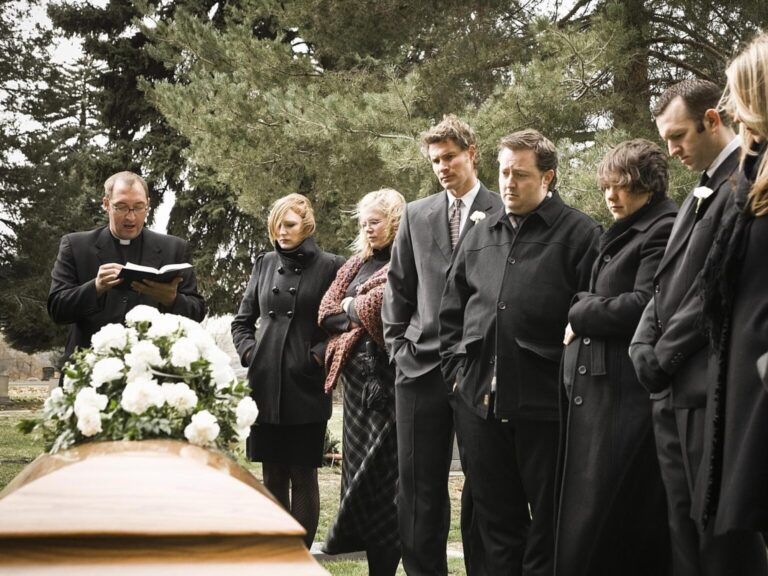
Memorial Service Etiquette for Families and Guests
A memorial service brings people together to remember someone who has passed away, share memories, and offer support to those experiencing grief. While the focus is on honoring the person who died, families and guests may sometimes feel uncertain about what to say, what to wear, when to arrive, or how to participate. These concerns are understandable, especially for people who have never attended a memorial service before.
Memorial service etiquette is not about following a strict set of rules. Grief is personal, and every family chooses to remember a loved one differently. Some services may follow religious traditions, while others may be informal celebrations of life. A gathering might take place at a funeral home, church, cemetery, community space, or another meaningful location.
For anyone attending a Memorial Service in Rapid City, understanding a few basic principles can make the experience more comfortable for both guests and the grieving family. Respect, patience, consideration, and genuine compassion are generally more important than getting every detail exactly right.
What Is a Memorial Service?
A memorial service is a gathering held to remember and honor someone who has died. Unlike a traditional funeral, a memorial service often takes place after the person’s body has been buried or cremated, although this is not always the case.
The structure can vary considerably. A service may include prayers, readings, music, a eulogy, photographs, personal stories, moments of silence, or religious traditions. Some families may organize a formal ceremony, while others may prefer a relaxed gathering where friends and relatives can talk and share memories. Because there is no single format for a memorial service, guests should look for information provided by the family or organizers before attending. The invitation, obituary, or service announcement may explain the location, time, dress expectations, religious customs, or whether guests are invited to participate.

Etiquette for Families Planning a Memorial Service
Families arranging a memorial service often feel pressure to make every decision perfectly. It is important to remember that there is no requirement to create a particular type of ceremony.
The most appropriate service is one that reflects the wishes, personality, beliefs, and relationships of the person being remembered.
Families should communicate important details clearly. Providing the date, time, location, parking information, and any special instructions can help guests know what to expect.
If the gathering is private or limited to certain family members and friends, that should also be communicated clearly. A private memorial is not a rejection of others; it may simply reflect the family’s wishes or circumstances.
How to Choose the Right Time and Location
The location of a memorial service can influence how guests participate. Services may be held at a funeral home, place of worship, cemetery, community venue, outdoor location, or private residence.
Families should consider accessibility when choosing a location. Older relatives and guests with mobility challenges may need accessible entrances, seating, and parking.
The timing can also matter when relatives are traveling from other cities or states. Allowing enough time for guests to make travel arrangements can make attendance easier.
For families organizing a Memorial Service in Rapid City, local weather and seasonal conditions may also be relevant when considering outdoor gatherings or travel.
What Should Guests Wear to a Memorial Service?
Guests often wonder what clothing is appropriate. In general, respectful and modest clothing is a safe choice.
Traditional memorial services may call for darker or more formal clothing, but modern services can be much more relaxed. If the family has specified a dress code or theme, guests should follow it when possible.
For example, a family may request that guests wear a particular color because it was meaningful to the deceased. A celebration of life held outdoors may have a more casual dress expectation.
When there is no specific guidance, choose clothing that is clean, comfortable, and respectful of the occasion.
The goal is not to stand out. Clothing should generally allow attention to remain on the person being remembered and the family.
How Early Should Guests Arrive?
Arriving a little early is generally considerate. It gives guests time to find parking, enter the location, sign a guest book if one is available, and find a seat without interrupting the service.
Arriving late can happen for many reasons, particularly when people are traveling or dealing with unexpected circumstances. If you are late, enter quietly and take the nearest appropriate seat rather than walking through the room looking for a specific place.
If the service has already started, avoid unnecessary conversation or movement.
What Should You Say to the Family?
Many guests worry about saying the wrong thing to someone who is grieving. There is no perfect phrase that can remove the family’s pain.
Simple and sincere words are usually best.
You might express sympathy, mention a positive memory, or simply say that you are sorry for their loss. If you knew the deceased personally, sharing a brief memory can be particularly meaningful.
There is also nothing wrong with saying very little. A handshake, hug, or quiet expression of support can communicate compassion without requiring a lengthy conversation.
What Should You Avoid Saying?
Well-intentioned comments can sometimes unintentionally make grief more difficult.
Avoid comparing the family’s loss to your own experiences unless they specifically invite that conversation. Statements that minimize grief, suggest how someone “should” be feeling, or attempt to explain why the death happened may not be helpful.
It is also generally best to avoid giving unsolicited advice about how someone should grieve.
Instead of trying to find an explanation or silver lining, focus on listening and acknowledging the person’s loss.
Sometimes the most supportive thing you can say is simply, “I’m sorry for your loss.”
Is It Appropriate to Share Memories?
Yes. Sharing a positive or meaningful memory can be a wonderful way to honor the deceased.
If you knew the person, consider telling the family about a moment that showed their personality or character. A funny story, kind gesture, professional accomplishment, or simple everyday memory can be comforting.
However, be mindful of the setting and the family’s emotional state. A short, sincere memory may be more appropriate than an extended story, particularly if many guests are waiting to speak with the family.
If you are invited to give a speech or eulogy, prepare your remarks in advance and keep them focused on the person being remembered.

Should Guests Bring Flowers?
Flowers are a traditional expression of sympathy, but they are not always necessary. Some families may request flowers, while others may ask guests to make charitable donations or simply attend the service. If the obituary or family has provided specific instructions, follow them.
If you are unsure, checking the funeral announcement or asking a close family member can help. A handwritten sympathy card can also provide a meaningful way to express condolences.
Is It Appropriate to Bring Children?
Whether children should attend a memorial service depends on their age, maturity, relationship with the deceased, and the family’s preferences.
Children can benefit from participating in appropriate ways, particularly when they had a close relationship with the person who died. Attending may help them understand that death and grief are experiences families can face together.
Parents should explain what will happen before the service and prepare children for the possibility that people may cry or become emotional.
Young children may need to step outside if they become restless or upset. This is normal and should not be viewed as disrespectful.
What About Phones and Photography?
Phones should generally be silenced before entering the service. Guests should avoid checking messages, taking calls, or using their phones during the ceremony unless there is an emergency.
Photography requires additional consideration. Never assume that taking photographs during a memorial service is acceptable. Some families may welcome photographs, while others may prefer privacy. If photography is permitted, guests should avoid using flash or moving around unnecessarily during the service. Posting photographs or videos on social media requires even greater care. Always consider the family’s wishes before sharing anything publicly.
How Should Guests Participate in Religious Services?
If a memorial service includes religious traditions that are unfamiliar to you, it is perfectly acceptable to observe rather than participate.
For example, you may not know when to stand, sit, pray, sing, or respond. Watching the people around you can provide guidance, but you do not need to participate in practices that conflict with your own beliefs.
Respectful observation is generally appropriate.
Guests should also avoid criticizing or questioning religious practices during the service. The gathering is intended to support the family and honor their loved one.
What If You Cannot Attend?
Not everyone can attend a memorial service. Distance, work responsibilities, illness, travel limitations, or other circumstances may make attendance impossible.
If you cannot attend, there are other ways to show support.
A sympathy card, phone call, message, flowers, charitable donation, or personal note can communicate that you are thinking about the family.
Some memorial services may also offer livestreaming or digital participation for people who cannot be physically present.
The important thing is to acknowledge the loss rather than assuming that physical absence means a lack of care.
How Should Guests Behave During the Service?
A memorial service is generally a time for reflection and remembrance. Guests should listen respectfully when others are speaking and avoid side conversations. If children become restless or someone needs to leave temporarily, doing so quietly is usually appropriate.
Laughter is not necessarily inappropriate. Memorial services often include funny memories and stories, and laughter can be a natural part of remembering someone. The key is to remain aware of the setting and the feelings of the people around you.
Etiquette for the Reception or Gathering Afterward
Some families hold a reception after the formal memorial service. This may provide a more relaxed opportunity for guests to talk, eat, and share memories. Follow the family’s lead regarding the atmosphere. If they have prepared food or refreshments, accept them graciously when appropriate. The reception can be an opportunity to tell stories that may not have fit into the formal service.
It can also be one of the few moments when family members have time to reconnect with people they have not seen in years.
Respect the Family’s Privacy
Grief can make ordinary interactions exhausting. Families may appreciate support but may not have the emotional energy to speak with every guest individually. If someone from the immediate family appears overwhelmed, give them space. Do not pressure them to talk about the circumstances of the death or ask intrusive personal questions.
Respect the family’s privacy online. Avoid sharing details about the death, funeral arrangements, or personal family matters unless the family has already made that information public.
Etiquette for the Immediate Family
Family members also face their own set of challenges when planning and attending a memorial service. They should not feel obligated to greet every guest, speak publicly, or follow every traditional practice. Grief affects people differently, and some family members may need more privacy than others. Relatives and close friends can divide responsibilities. One person can coordinate guests, another can manage photographs, and someone else can communicate with speakers or service participants. Delegating practical responsibilities can allow immediate family members to focus on grieving and remembering their loved one.
Make the Service Personal
Etiquette does not mean that every memorial service needs to be formal. Families can incorporate meaningful elements that reflect the person being remembered. Photographs, favorite songs, personal belongings, hobbies, recipes, artwork, military memorabilia, or recorded messages can all become part of the gathering.
A person who loved gardening might be remembered through flowers and photographs of their garden. Someone who enjoyed music might have their favorite songs included. A lifelong traveler might be honored through photographs and souvenirs from meaningful journeys. These personal details can help guests remember the individual as they truly were.
Be Mindful of Different Grieving Styles
People do not all grieve in the same way. One person may cry openly, while another may remain quiet. Someone may want to talk about memories immediately, while another may need privacy. Neither response is necessarily more appropriate. Guests should avoid judging how family members express grief. Similarly, family members should recognize that guests may respond differently to the loss. Understanding these differences can make the memorial service more compassionate for everyone involved.
How a Funeral Home May Support the Gathering
A funeral home can help families coordinate many practical elements of a memorial service. Depending on the family’s needs, this may include arranging the location, scheduling, preparing service materials, coordinating transportation, communicating with participants, and helping organize other details.
This practical support can be useful because families are often managing emotional responsibilities at the same time.
The specific arrangements will depend on the type of service, the family’s preferences, and local considerations.
Final Thoughts
Memorial service etiquette is ultimately about respect and compassion rather than strict rules. Families and guests may come from different backgrounds, follow different traditions, and have different ways of expressing grief. What matters most is creating an environment where people can remember the person who died and support those closest to them.
For families planning a Memorial Service in Rapid City, clear communication about the location, schedule, dress expectations, participation, and other details can help guests feel more comfortable. For those attending, arriving respectfully, listening, offering sincere condolences, respecting privacy, and following the family’s wishes are usually the most important considerations.
A memorial service is a time to remember a life rather than focus on doing everything perfectly. Whether the gathering is traditional, religious, informal, or highly personal, kindness and consideration can help make the experience more meaningful for everyone present.
In the end, the best etiquette is simple: show up when you can, listen when others need to speak, offer support without judgment, and give the grieving family the space and compassion they need. These small acts can carry significant meaning during one of the most difficult periods a family may experience.