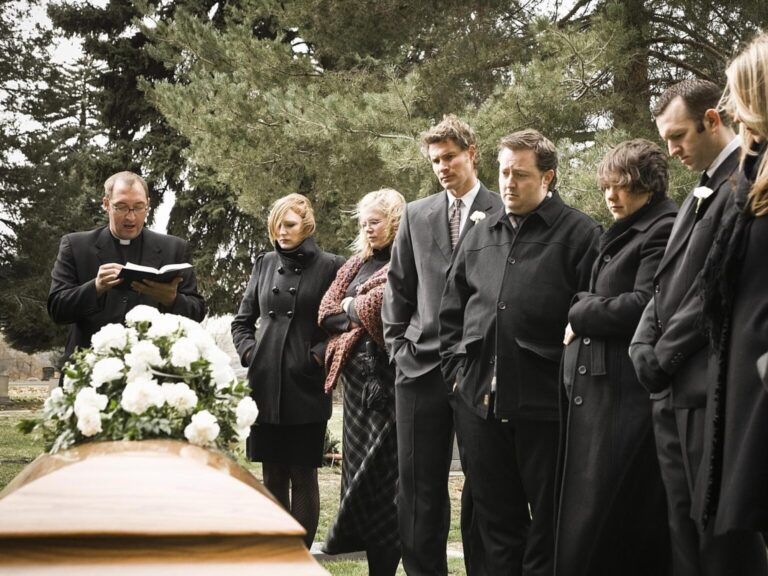
Livestreamed Funeral Services: Connecting Families Across Distances
When a loved one passes away, family and friends often want to come together to remember their life and offer support to one another. However, being physically present at a funeral or memorial service is not always possible. Family members may live in different states, face travel difficulties, have work or caregiving responsibilities, or encounter circumstances that prevent them from attending in person. Livestreamed funeral services have created another way for people to participate in these important moments. Through a live video broadcast, relatives and friends who cannot attend in person may be able to watch the service remotely from a computer, tablet, or smartphone.
Technology cannot replace being physically present with family, but it can help reduce the distance between people during a difficult time. For families arranging a Memorial Service in Rapid City, livestreaming may provide an opportunity for loved ones outside the area to participate without having to travel. As livestreaming becomes more common, families may have questions about how it works, when it is appropriate, how to prepare, and how remote guests can respectfully participate. Understanding these considerations can help families decide whether a livestreamed service is right for them.
What Is a Livestreamed Funeral Service?
A livestreamed funeral service is a ceremony that is broadcast over the internet while it is taking place. Family members and friends who cannot attend physically can receive a link or access instructions that allow them to watch the service remotely. Depending on the equipment and platform being used, the broadcast may show the speaker, ceremony, music, readings, or other portions of the service.
Some livestreams are available only during the service, while others may be recorded and made available afterward. The availability of a recording depends on the arrangements and preferences of the family. Livestreaming can be used for many types of gatherings, including traditional funeral services, memorial services, celebrations of life, religious ceremonies, and graveside-related events when appropriate technology is available.
Why Families Consider Livestreaming
The primary reason families choose livestreaming is often distance. A loved one may have relatives living hundreds or thousands of miles away who would like to attend but cannot make the journey. Travel can become particularly difficult when a funeral is planned with limited notice. Airfare, transportation, work schedules, childcare, health limitations, and other responsibilities may prevent people from arriving in time.
A livestream gives those individuals another way to witness the ceremony and feel connected to the family. For some families, knowing that distant relatives and friends can participate provides comfort during an already difficult period.
Helping Distant Family Members Feel Included
One of the most meaningful benefits of livestreaming is that it allows people who cannot physically attend to share an important moment with those who are present. A grandchild living in another state may be able to watch a grandparent’s memorial service. A sibling who cannot travel may still hear the eulogy. A longtime friend who lives far away may be able to participate in a farewell.
Although remote participation is different from sitting in the same room, seeing and hearing the service can make the experience feel more immediate than receiving information afterward. For families separated by distance, this connection can be especially valuable.
Livestreaming and Memorial Services
A Memorial Service in Rapid City may take place days or weeks after a death, depending on the family’s circumstances. This timing can sometimes make it easier for distant relatives to participate, but travel may still be difficult. Livestreaming can extend the reach of the gathering beyond the people who are able to attend in person.
Memorial services often include personal stories, photographs, music, readings, and reflections about the person’s life. Sharing these elements through a livestream allows remote attendees to experience many of the same meaningful moments as guests in the room. Families may also choose to provide a recording afterward so relatives who could not watch at the scheduled time can view the service later.
Livestreaming Can Support Different Types of Funeral Services
Livestreaming is not limited to one particular type of ceremony. Traditional funeral services may include a eulogy, religious readings, music, prayers, and other elements that can often be broadcast to remote guests.
Celebrations of life may include photographs, stories, videos, favorite songs, and personal tributes. Religious services may also be livestreamed when permitted by the religious organization and appropriate for the ceremony. The exact format depends on the family’s preferences, the location, available technology, and any religious or cultural considerations.
The Role of Technology
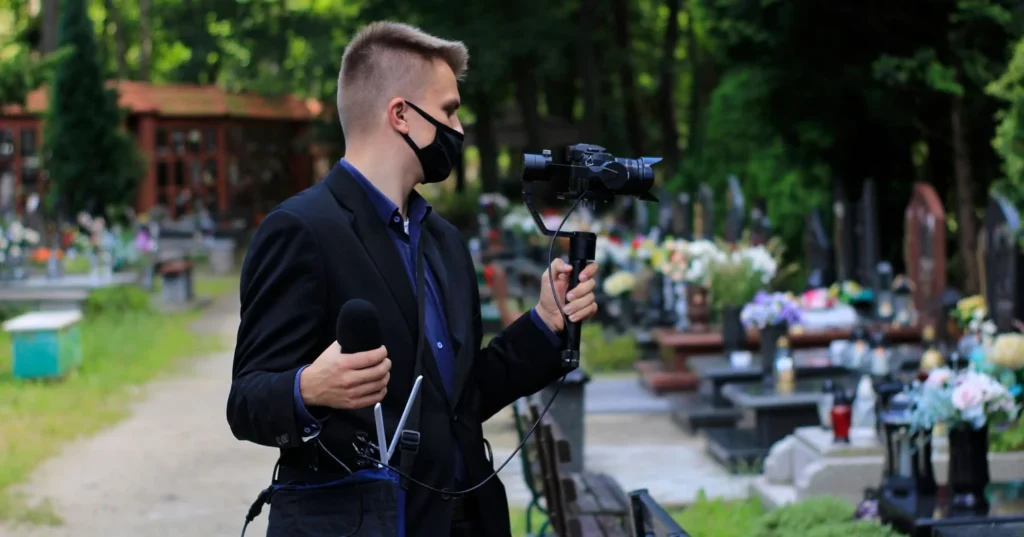
A successful livestream requires more than simply turning on a camera. The location needs a reliable internet connection, appropriate equipment, and someone who understands how to manage the broadcast. A basic setup may include a camera or smartphone, microphone, internet connection, and livestreaming platform. More advanced setups may use multiple cameras and dedicated audio equipment.
Audio quality is particularly important. Viewers may forgive a less-than-perfect picture, but difficulty hearing the speakers can make it challenging to follow the service. The technology should support the ceremony without becoming the focus of attention.
Privacy Should Be Considered
Funeral and memorial services are deeply personal gatherings. Families should consider privacy before choosing to livestream. Not everyone attending may be comfortable appearing on camera, and some families may not want certain parts of the service shared online. Before the service, families can determine which portions they want broadcast and whether the livestream should be publicly accessible or limited to invited guests.
A private link or password-protected stream may provide greater control over who can watch. Families should also consider whether the livestream will be recorded and how long the recording will remain available.
Inform Guests About the Livestream
If a livestream is available, families should make the information easy to find. The service announcement or obituary can include instructions about how remote guests can participate. Information may include the date and time, livestream link, login instructions, and any password that may be required.
Because obituaries are often one of the main places people look for funeral information, families may choose to include livestream details alongside the service date, time, and location. Clear instructions can reduce confusion, especially for older relatives or guests who are unfamiliar with livestreaming technology.

How Remote Guests Can Prepare
People attending a funeral virtually should treat the livestream as a meaningful ceremony rather than an ordinary online video. Finding a quiet place to watch can help create an appropriate atmosphere. If possible, remote guests may want to set aside enough uninterrupted time to watch the service from beginning to end.
Testing the internet connection, device, speakers, and livestream link beforehand can prevent technical problems once the ceremony begins. If the platform allows it, guests may also want to keep their microphone and camera turned off unless they are specifically invited to participate.
Dressing for a Virtual Funeral
One question remote guests sometimes have is whether they should dress formally when attending online. There is no universal rule, but wearing respectful clothing can help create a sense of occasion. More importantly, dressing appropriately can help the individual mentally recognize that they are participating in an important family gathering.
If the family has requested a particular dress style or color, remote guests may choose to follow those wishes as well. The goal is not appearance for its own sake. It is about approaching the occasion with the same respect one would show if attending in person.
How Remote Guests Can Offer Condolences
People watching remotely may still want to express sympathy to the family. A message, phone call, sympathy card, email, or personal note can provide an opportunity to share condolences.
If the livestream includes a chat or guestbook feature, families can decide whether they want remote attendees to use it. Some may appreciate seeing messages from people who cannot attend, while others may prefer to keep communication private. Remote guests should follow the family’s preferences.
Sharing Memories From a Distance
Being unable to attend does not mean someone cannot contribute to the remembrance. A distant family member or friend may be able to provide a written memory, photograph, recorded message, or story that can be incorporated into the service if the family wishes. These contributions can be particularly meaningful when someone cannot physically travel to the funeral. For example, a childhood friend living across the country may provide a short written memory that another person reads during the service. A grandchild studying abroad might submit a recorded message. Technology can make these contributions possible even when physical distance prevents attendance.
Livestreaming and Funeral Etiquette
The same principles of respect that apply to attending a funeral in person generally apply online. Remote guests should avoid treating the livestream like casual entertainment. They should minimize distractions, silence notifications, and remain attentive to the ceremony. If the livestream has a chat feature, comments should remain respectful and appropriate. Guests should also avoid recording, downloading, or reposting the service unless the family has given permission. A funeral service may contain deeply personal moments that were intended only for the people attending.
What Families Should Decide Before the Service
Before livestreaming a funeral or memorial service, families may want to establish a few basic guidelines. They can decide who should have access to the broadcast, whether the service will be recorded, whether remote guests can interact through chat, and whether photographs or recordings may be shared afterward.
It may also be helpful to determine whether the entire service should be broadcast or whether certain private portions should remain offline.These decisions can help protect the family’s privacy while still allowing distant loved ones to participate.
Making the Livestream Feel More Personal
A livestream does not have to be limited to a fixed camera showing the front of a room. When appropriate, families can incorporate elements that help remote guests feel connected.
Photographs, video tributes, music, readings, and personal stories can all contribute to the experience. If a remote family member is participating in the ceremony, their contribution can be introduced just as it would be for someone physically present. Small details can make the experience feel less like watching a recording and more like participating in a shared remembrance.
What If Technical Problems Occur?
Technology is never completely predictable. Internet connections can fail, microphones may stop working, or a livestream platform may experience problems. Families should have a simple backup plan whenever possible. A designated person can monitor the livestream so that the family does not have to worry about technical issues during the service. If the stream stops unexpectedly, that person can attempt to reconnect or communicate with remote guests. Having someone else handle technology allows the immediate family to remain focused on the ceremony.
The Importance of a Backup Recording
When possible, a recording can provide an additional layer of flexibility. A recording allows people who missed the livestream because of work, travel, time-zone differences, or technical difficulties to watch later. However, families should decide carefully whether they want a recording and who should have access to it.
Because funeral services can include private conversations, emotional moments, and personal stories, recordings should be handled according to the family’s wishes.
Livestreaming Does Not Replace Being Together
While livestreaming can provide valuable access, it is important to recognize its limitations. A screen cannot completely reproduce the experience of sitting beside family members, offering a hug, sharing a quiet conversation, or gathering together after the service.
For people who can safely and reasonably attend in person, physical presence may remain an important part of the grieving experience. Livestreaming is best understood as another way to connect when circumstances make physical attendance difficult, not necessarily as a replacement for gathering together.

Supporting Families After the Service
The connection created through livestreaming does not have to end when the ceremony concludes.
Remote family members can continue supporting one another through phone calls, video conversations, messages, and shared memories.
Families may also create private digital spaces where relatives can exchange photographs and stories.
Over time, these collections can become meaningful records of the person’s life and the people who knew them.
The Role of Obituaries in Sharing Service Information
Obituaries have traditionally provided important information about a person’s death, life, surviving family members, and funeral arrangements. Today, they can also help families communicate digital participation options. When appropriate, an obituary may provide information about the funeral or memorial service, including the date, time, location, and livestream instructions.
This can be especially helpful for relatives and friends who live outside Rapid City and may not otherwise know how to participate. An obituary can therefore serve not only as a tribute to someone’s life but also as a practical source of information for those wishing to pay their respects.
Choosing What Works for Your Family
There is no single approach to livestreaming that will work for every family. Some families may want a fully private ceremony with only immediate relatives attending virtually. Others may welcome a larger online audience that includes friends, coworkers, former classmates, and community members. The decision may depend on the family’s comfort level, the wishes of the deceased, the type of ceremony, the available technology, and privacy considerations. Taking time to discuss these factors before the service can help avoid misunderstandings later.
Final Thoughts
Livestreamed funeral services have created a practical way for families and friends to remain connected when distance prevents them from gathering in person. For someone unable to travel to a Memorial Service in Rapid City, watching a live ceremony can provide an opportunity to hear the stories, music, prayers, and reflections shared by those who are present. At the same time, livestreaming should be approached with care. Privacy, consent, technology, guest etiquette, and the family’s wishes all deserve consideration.
Whether someone attends a service in person or watches from hundreds of miles away, the purpose remains the same: to remember a loved one, acknowledge their life, and support the people who are grieving.
As technology continues to become part of everyday life, livestreaming can offer families another way to bring people together during difficult circumstances. It cannot remove the distance or replace physical presence, but it can create a meaningful connection when being there in person is not possible.
Ultimately, the most important part of any funeral or memorial gathering is not the technology used to share it. It is the opportunity to remember a life, hear the stories that shaped it, and remind one another that distance does not have to prevent people from showing care and support.