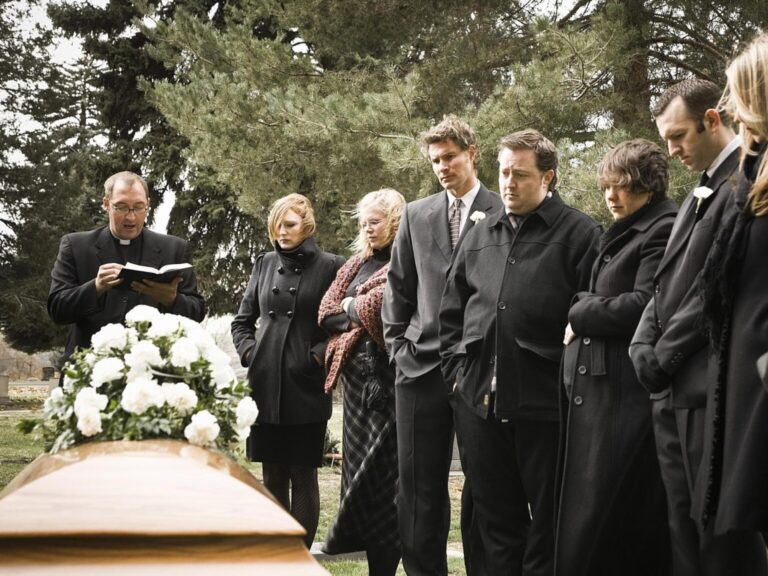
Documenting Your Funeral Wishes: Creating a Clear Plan for Your Family
Planning for future funeral arrangements can be difficult, but documenting your wishes in advance can make a big difference for your family. When someone passes away, relatives may need to make several decisions about funeral services, burial or cremation, religious traditions, memorial arrangements, and other personal details. Without clear guidance, these decisions can become overwhelming, particularly when family members have different expectations.
Documenting funeral wishes provides an opportunity to communicate personal preferences before they become necessary. It allows individuals to explain how they would like to be remembered, identify important arrangements, and provide practical information that relatives can use in the future. A written funeral plan does not need to be complicated or legally complex. It can begin with basic preferences and gradually include additional details about services, cemetery arrangements, financial preparations, and important contacts.
Why Documenting Funeral Wishes Matters
Every individual has personal preferences regarding how they would like their life to be remembered. Some may prefer a traditional funeral with religious elements, while others may want a simple memorial gathering or cremation followed by a private family service.
When these preferences are not communicated, family members may be left making decisions without knowing what the individual would have wanted. Documenting funeral wishes helps reduce this uncertainty by providing a reference for relatives and trusted representatives. It can also help prevent disagreements when family members have different ideas about the appropriate arrangements.
A written plan can provide guidance on several important matters, including:
- Whether burial or cremation is preferred.
- The type of funeral or memorial service desired.
- Preferred religious or cultural traditions.
- Visitation and viewing preferences.
- Cemetery or burial location preferences.
- Music, readings, photographs, and personal tributes.
- Important family contacts and service providers.
- Financial arrangements and prepaid funeral information.
Even a short document containing the most important preferences can be helpful. The goal is to make personal wishes understandable and accessible to the people responsible for arranging the service.

Start With Your Preferred Type of Funeral Service
One of the first decisions to document is the type of service you would prefer. Some individuals want a traditional funeral that includes visitation, a formal ceremony, and burial. Others may prefer cremation, followed by a memorial service at a later date. There is no single arrangement that is appropriate for everyone. Personal beliefs, family traditions, religious practices, and individual preferences all influence these decisions.
Traditional Funeral Services
A traditional funeral may include a viewing or visitation followed by a formal ceremony. The service can take place at a funeral home, church, or another location selected by the family. If this is your preference, consider documenting whether you would like a visitation, the type of ceremony, preferred location, and any religious or personal elements that should be included.
You may also want to identify individuals you would like to participate in the service, such as clergy members, family representatives, or close friends.
Cremation Preferences
Individuals who prefer cremation should document this choice clearly so family members understand their wishes. You may also wish to explain whether you would prefer a memorial service before or after cremation, whether you want a private family gathering, and how you would like your cremated remains to be handled.
Some individuals prefer placement in a cemetery or columbarium, while others may have different personal preferences subject to applicable requirements. Providing this information in advance can help relatives understand the intended arrangements.
Memorial Services and Celebrations of Life
A memorial service can provide an opportunity for relatives and friends to gather after burial or cremation.
Some individuals prefer a formal memorial ceremony, while others may want a less traditional gathering focused on sharing stories, photographs, music, and memories. If you have a particular preference, include details about the type of gathering, preferred location, and any personal elements that would make the service meaningful.
Include Religious and Cultural Preferences
Religious and cultural traditions can influence many aspects of funeral arrangements. These may include the timing of the service, prayers, readings, burial or cremation practices, participation of religious leaders, and other ceremonial requirements.
If certain traditions are important to you, document them rather than assuming family members will automatically know what to arrange. For example, you may prefer a religious ceremony conducted by a particular clergy member or want specific prayers and readings included. You can also identify any cultural practices that should be considered when arranging visitation, preparing for the service, or coordinating burial arrangements.
It is helpful to discuss these preferences with family members and, where appropriate, religious representatives. This gives everyone a better understanding of what is expected and whether additional coordination may be necessary.
Decide What Personal Details Should Be Included
Funeral wishes are not limited to practical arrangements. Many individuals want their service to reflect their personality, relationships, interests, and experiences.
Personal details can help families create a gathering that feels meaningful rather than relying entirely on a standard ceremony.
Consider documenting preferences for:
Music: Identify songs, hymns, or instrumental pieces that have personal significance.
Readings: Include favorite poems, religious passages, quotations, or other written material.
Photographs: Explain whether you would like photographs displayed during visitation or a memorial service.
Personal tributes: You may wish to identify particular family members or friends who could share memories or deliver a eulogy.
Flowers and decorations: Document whether you prefer traditional floral arrangements or a simpler setting.
Memorial contributions: If you would prefer donations to a particular charitable organization instead of flowers, include that preference.
These details are optional, but they can provide family members with useful ideas when organizing a service.
Record Your Burial or Cemetery Preferences
If you prefer burial, it can be helpful to document any cemetery preferences and existing arrangements.
Some individuals already have a family burial plot or have identified a cemetery where they would like to be buried. Others may have not made a specific selection but want relatives to consider a particular location.
Important details may include:
- Preferred cemetery or burial location.
- Existing cemetery plot information.
- Family burial arrangements.
- Preferences regarding a graveside service.
- Any known cemetery requirements.
- Information about existing burial agreements.
If you already own a cemetery plot, include relevant ownership or purchase documents with your personal records.
Families should confirm cemetery availability, ownership details, and applicable requirements before finalizing arrangements.

Organize Important Personal and Family Information
Documenting funeral wishes should also involve organizing information that relatives may need when arrangements are made.
Family members may need personal details to complete records, communicate with service providers, and notify relevant organizations.
Consider preparing a separate information sheet containing:
- Full legal name.
- Date and place of birth.
- Current address.
- Names of close family members.
- Emergency contact information.
- Relevant identification details.
- Military service information, where applicable.
- Insurance policy information.
- Existing funeral or cemetery agreements.
- Contact details for important service providers.
Some of this information may be required for official documentation, while other details simply make communication easier. Sensitive information should be stored securely. Avoid placing account passwords, financial login details, or unnecessary confidential information in a general funeral instruction document.
Include Financial and Preplanning Information
A clear funeral plan should explain whether any financial preparations have already been made.
Some individuals may have established a prepaid funeral arrangement, while others may intend for expenses to be handled through personal savings, insurance benefits, or other financial resources. Family members should know whether a financial arrangement exists and where the supporting documents can be located.
If you have a prepaid funeral plan, include the provider’s contact information and a copy of the relevant agreement. Make sure relatives understand which services are covered and whether additional expenses may arise. If life insurance or final expense insurance may help cover funeral costs, record the policy provider and relevant contact information. Beneficiary details and claim instructions should also be kept with appropriate financial records.
It is important to distinguish between documenting how expenses might be covered and legally arranging payment. Funeral instructions alone do not necessarily create a financial agreement or guarantee that funds will be available.
Discuss Your Wishes With Family Members
Writing down funeral preferences is useful, but communicating them to family members is equally important.
A written plan may not help relatives if they do not know it exists or cannot locate it when needed.
Consider discussing your preferences with the people most likely to be involved in future arrangements. Explain your preferred service type, burial services or cremation choice, religious traditions, and any important personal requests.
These conversations can also provide an opportunity for relatives to ask questions and express concerns.
If several family members are involved, consider identifying one trusted person who can serve as the primary contact. This person should know where your instructions are stored and understand how to access relevant documents.
Open communication can reduce misunderstandings and help family members make decisions with greater confidence.
Choose Someone to Help Communicate Your Wishes
Some individuals may wish to identify a trusted person who can help communicate their preferences when funeral arrangements become necessary.
This could be a spouse, adult child, sibling, close relative, or another trusted individual.
The person should understand the general arrangements, know where relevant documents are stored, and be familiar with any existing funeral or cemetery agreements.
However, a written funeral instruction document is not automatically a legally binding appointment or authorization. Individuals should understand the distinction between recording personal wishes and formally designating someone with legal authority.
For important legal decisions, including financial authority and estate matters, consider consulting an appropriate legal professional.
Understand the Difference Between Funeral Instructions and Legal Documents
Documenting funeral wishes can provide practical guidance, but not every written instruction has the same legal effect.
A personal funeral plan generally records preferences and information for family members. It may not automatically establish legal authority, guarantee payment, or override applicable state requirements.
Other documents may serve different purposes.
For example, a will generally addresses estate distribution and other legal matters. A prepaid funeral agreement establishes financial and service arrangements according to its contract. A power of attorney may grant authority during an individual’s lifetime, depending on its terms and applicable law.
Because these documents serve different purposes, it is important not to assume that including funeral preferences in a will or personal instruction sheet will resolve every planning issue.
Individuals with questions about legal authority, advance directives, or estate documents should consult a qualified legal professional familiar with South Dakota requirements.
Where and How to Store Your Funeral Wishes
A funeral plan should be easy for trusted family members to locate when needed, while still being protected from unauthorized access.
You may choose to keep a printed copy in a clearly identified folder containing other important personal records. A digital copy can also be useful, provided trusted individuals know where it is stored and how to access it.
Consider keeping copies of relevant documents together, including:
- Written funeral preferences.
- Prepaid funeral agreements.
- Insurance information.
- Cemetery plot documentation.
- Important family contact details.
- Relevant legal and estate information.
It is also sensible to identify the funeral home or service provider that holds any advance arrangements.
Avoid keeping the only copy of important instructions somewhere inaccessible, such as a locked safe when family members do not know how to access it.
Review and Update Your Funeral Plan Regularly
Personal preferences and circumstances can change over time. Someone who once preferred burial may later decide that cremation is more appropriate. A family may relocate, a preferred funeral home may change ownership, or financial arrangements may need updating.
For these reasons, funeral wishes should be reviewed periodically.
When reviewing your plan, consider whether:
- Your preferred funeral arrangements remain the same.
- Contact information is current.
- Financial and insurance records are accurate.
- Cemetery arrangements remain appropriate.
- Family members know where the documents are stored.
- Existing prepaid agreements still reflect your preferences.
If you make significant changes, provide updated copies to the appropriate people and clarify which version should be followed.
Keeping documentation current can help prevent confusion and ensure relatives are working with accurate information.
Common Mistakes to Avoid When Documenting Funeral Wishes
Even a well-intentioned plan can create difficulties if important information is missing or unclear.
One common mistake is recording preferences without communicating them to family members. A document that nobody knows about may be difficult to locate when arrangements need to be made.
Another mistake is leaving financial details out of the plan. If a prepaid agreement or insurance policy exists, relatives should know where the relevant documents can be found.
Some individuals also include too many complicated instructions without distinguishing between essential preferences and optional details. A clear, organized document is generally easier for relatives to understand.
Finally, failing to update the plan can create problems when personal circumstances change. Reviewing the information regularly helps ensure that it continues to reflect your wishes.
Creating a Clear Funeral Wishes Document
A written funeral plan does not need to be lengthy. It should be organized around the information that family members will actually need.
A basic document can include the following sections:
1. Personal Information: Full legal name, date of birth, and important contact details.
2. Service Preferences: Traditional funeral, cremation, burial, or memorial service.
3. Religious and Cultural Requirements: Preferred readings, prayers, clergy, and traditions.
4. Personal Details: Music, photographs, flowers, readings, and individuals who may participate.
5. Burial or Cremation Information: Cemetery preferences, existing plots, and arrangements.
6. Financial Information: Prepaid plans, insurance details, and relevant financial documents.
7. Important Contacts: Family representatives, funeral home, cemetery, and other relevant organizations.
8. Document Location: Information about where the complete plan and supporting records are stored.
The document should be dated and reviewed whenever changes are made. Individuals may also wish to discuss whether additional legal documents are necessary for their particular circumstances.
Documenting Funeral Wishes in South Dakota
Individuals in South Dakota may need to consider local funeral service providers, cemetery requirements, and applicable state rules when documenting their preferences.
Families in Rapid City and the surrounding Black Hills region may want to record their preferred funeral home, cemetery location, burial or cremation arrangements, and any religious or cultural requirements that should be considered.
If advance arrangements have already been made with a funeral home, keep the relevant paperwork with your personal records and make sure family members know how to contact the provider.
It can also be helpful to confirm that any prepaid agreements or cemetery arrangements remain valid and that the necessary information is accessible.
For questions involving legal authorization, advance directives, or estate planning, individuals should seek guidance from a qualified professional familiar with South Dakota law.
Giving Your Family Clear Guidance for the Future
Documenting your funeral wishes is a practical way to communicate personal preferences and help family members understand future arrangements.
By recording service choices, religious traditions, burial or cremation preferences, financial information, and important contacts, individuals can provide relatives with a useful starting point when decisions need to be made.
The process does not need to be complicated or completed all at once. Start with the most important preferences, organize supporting documents, and discuss the plan with trusted family members.
Most importantly, make sure the information remains accessible and up to date. A clear, thoughtfully prepared funeral plan can help families understand your wishes and focus on remembering a loved one rather than trying to make every decision without guidance.