Memorial Service Traditions and Modern Ways to Remember a Loved One
A memorial services creates a meaningful opportunity to gather, remember, and honor someone who has passed away. For families experiencing loss, coming together with relatives and friends can provide a sense of comfort and connection during a difficult period. While traditional memorial practices continue to hold deep meaning, families today also have more flexibility to create services that reflect the personality, beliefs, relationships, and wishes of the person they are remembering.
A memorial service does not have to follow one specific format. Some families choose a traditional religious gathering, while others prefer a relaxed celebration of life centered around photographs, music, stories, and shared memories. The service may take place in a funeral home, church, cemetery, community venue, private residence, or another location that held significance for the deceased.
For families considering Memorial Services in Rapid City, understanding both traditional and modern approaches can make it easier to decide what feels appropriate. The most meaningful service is often one that brings together familiar traditions with personal touches that genuinely reflect the individual’s life.
Understanding the Purpose of a Memorial Service
A memorial services serves several purposes. It gives family and friends a place to gather, acknowledge the loss, express grief, and remember the person who has passed away. Unlike a traditional funeral, a memorial service often takes place without the deceased being present. This can give families additional flexibility when choosing the date, location, and format of the gathering.
Some families hold a memorial services shortly after the death, while others wait several weeks or months. Waiting can allow relatives who live far away to travel and can give the family more time to organize photographs, videos, personal belongings, and other meaningful elements. Regardless of when it takes place, the central purpose remains the same: creating a space where people can honor a life and support one another.
Traditional Memorial Services Practices
Traditional memorial services often include several familiar elements. These practices can provide structure and comfort, particularly for families who want a ceremony that follows established customs.
A service may include an opening prayer or reflection, readings, music, a eulogy, moments of silence, and closing words. Religious traditions may add scripture readings, hymns, prayers, or other ceremonies that are meaningful to the family. A guest book may also be available for attendees to sign, providing the family with a record of those who came to pay their respects. These traditions can be adapted depending on the family’s beliefs and the wishes of the person being remembered.
The Importance of the Eulogy
The eulogy remains one of the most recognizable elements of many memorial services. It provides an opportunity for someone close to the deceased to reflect on their life and share meaningful memories.
A eulogy does not need to be a complete biography. Instead, it can focus on the qualities, relationships, experiences, and moments that best represent the person. Family members may talk about childhood memories, marriage, parenthood, career accomplishments, friendships, hobbies, community involvement, or simple everyday experiences.
Humor can also have a place in a eulogy when it reflects the personality of the person being remembered. A funny story can bring warmth to an emotional gathering and remind everyone of the joy that person brought into their lives.
Music as a Traditional Tribute
Music has long played a role in funeral and memorial ceremonies. Religious hymns, classical compositions, instrumental pieces, and favorite songs can all become meaningful parts of a service.
Choosing music connected to the deceased can make the gathering feel more personal. A favorite artist, a song associated with an important memory, or a piece that the person frequently listened to can help guests reconnect with their memories. Music can also create quiet moments for reflection when words are difficult to find.
Photographs and Memory Displays
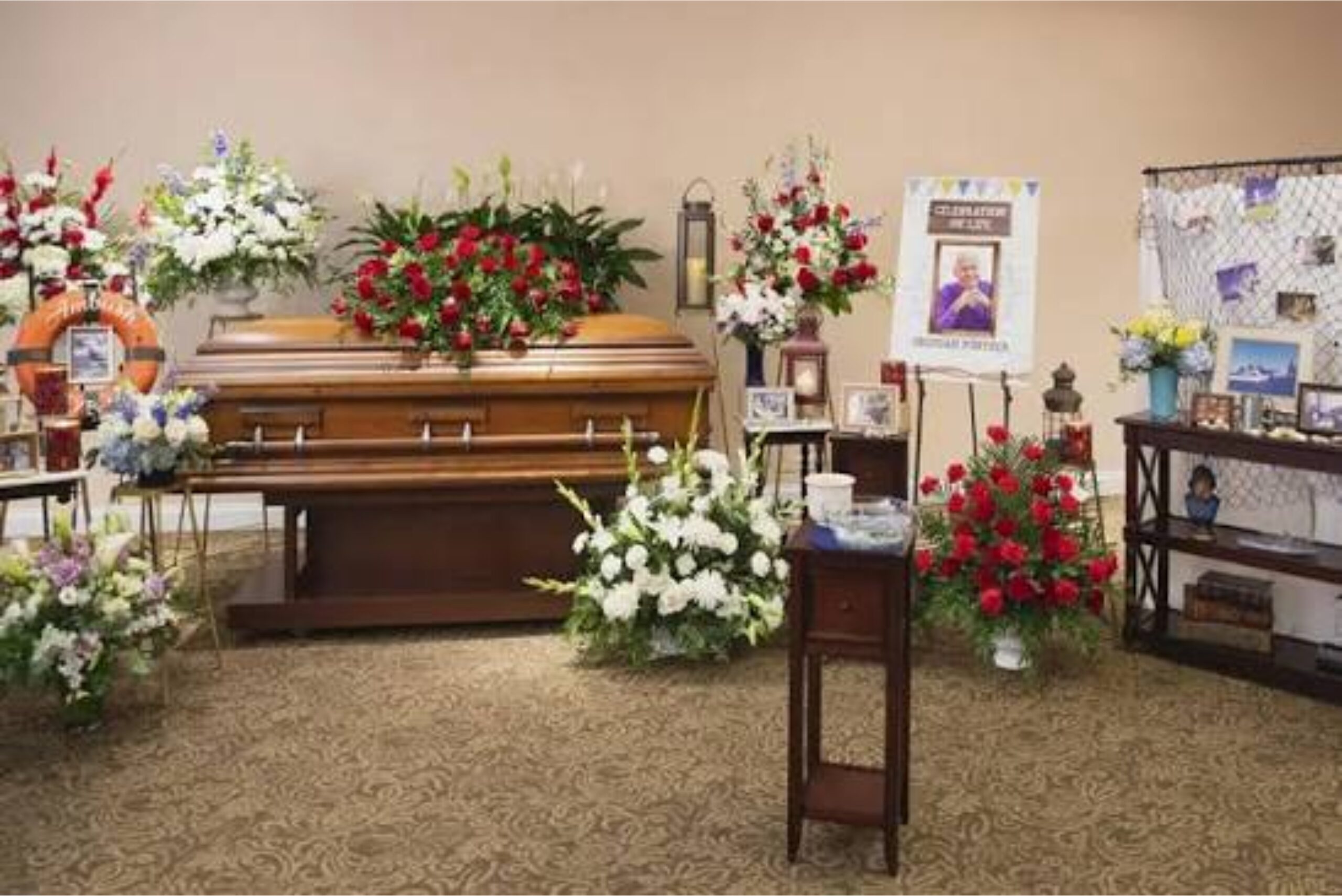
Photographs have become an important part of both traditional and modern Memorial Services. A collection of photographs can show different chapters of a person’s life, from childhood and school years to marriage, career, family gatherings, travel, and later years. Families can create a dedicated memory table or display photographs throughout the service space. Personal belongings can be included as well.
Items such as books, artwork, sports equipment, military medals, musical instruments, gardening tools, travel souvenirs, or professional awards can provide visual reminders of the person’s interests and accomplishments. These displays can also encourage guests to share stories.
Modern Celebration-of-Life Gatherings
One of the biggest changes in memorial traditions is the growing popularity of celebrations of life. Rather than following a formal ceremony from beginning to end, a celebration of life may focus on the experiences and personality of the individual. The atmosphere may be more relaxed, and guests may be encouraged to talk, share stories, listen to music, and look through photographs.
A celebration of life might include favorite foods, a casual gathering outdoors, personal decorations, or activities associated with the deceased. The approach is particularly suitable for people who preferred informal gatherings or did not want a traditional ceremony.
Personalized Themes
Modern memorial services often incorporate themes based on the individual’s interests. Someone who loved gardening might be remembered through flowers, plants, and photographs of their garden. A passionate traveler might have maps, travel photographs, and souvenirs displayed. A sports enthusiast could be honored with jerseys, equipment, trophies, or photographs from favorite games.
These details do not need to be elaborate. Even a few carefully chosen items can communicate something meaningful about who the person was. Personalization helps guests remember the individual as a whole person rather than focusing only on their passing.
Video Tributes and Digital Memories
Technology has introduced new ways for families to preserve and share memories. A video tribute can combine photographs, home videos, recorded messages, and favorite music. It can show moments that might otherwise be impossible to share during a traditional ceremony.
Digital memorial pages can also allow relatives and friends who cannot attend the service to participate. They may leave messages, upload photographs, or share personal stories. For families spread across different cities or countries, these digital options can provide a valuable way to stay connected during the grieving process.
Creating a Memory Book
A memory book allows guests to leave personal messages for the family. Rather than simply signing their name, guests can be encouraged to write a favorite memory, describe how they knew the deceased, or share a lesson they learned from them. Over time, these messages can become a treasured family keepsake. A digital version can also be created for people who are unable to attend the service. Their contributions can later be collected and preserved with the family’s other memories.
Inviting Friends and Family to Participate
Modern funeral services increasingly recognize that everyone remembers a person differently. Giving multiple people an opportunity to participate can create a fuller picture of their life. A sibling might share a childhood story, a colleague could describe their professional character, and a grandchild might talk about a favorite family tradition. Participation does not have to mean public speaking. People can contribute photographs, write memories, select music, prepare food, create artwork, or help organize a display. This can make the memorial feel like a shared tribute rather than a ceremony organized by only one or two people.
Honoring Cultural and Religious Traditions
Modern personalization does not mean traditional customs have to be left behind. Many families combine religious or cultural practices with newer memorial ideas. A service might include prayers and scripture readings alongside photographs, videos, personal stories, or a memory table. Cultural traditions can also influence food, music, clothing, ceremonies, and the way family members participate. Maintaining these traditions can provide a sense of familiarity and continuity, particularly during a period when many things feel uncertain.
Honoring Military Service
When the deceased served in the military, recognizing that service can become an important part of the memorial. Families may display uniforms, photographs, medals, awards, or other military memorabilia. Appropriate military honors may also be incorporated when applicable. These elements help acknowledge an important part of the person’s identity and provide an opportunity for family and friends to reflect on their service and dedication.
Food and Shared Gatherings
Food can be a surprisingly meaningful part of remembrance. Families often associate certain meals, recipes, or desserts with loved ones. A memorial gathering can include the person’s favorite foods or recipes that were traditionally prepared for family occasions. Some families invite guests to bring a dish associated with the deceased. This can turn a memorial gathering into a shared experience filled with familiar flavors and stories. Food provides another way to connect memories with everyday life.
Holding a Memorial Outdoors
An outdoor memorial can be especially meaningful when nature played an important role in someone’s life. Families may gather in a garden, park, private property, or another meaningful location. A tree or flower can be planted as a living memorial, creating a place that family members can return to in the future. For families planning Memorial Services in Rapid City, outdoor options may provide an opportunity to incorporate the natural surroundings of the Black Hills region into the gathering. When planning an outdoor service, families should consider weather, accessibility, seating, parking, permits where applicable, and an alternative location if conditions change.
Creating a Lasting Memorial
A memorial service does not have to end when the gathering is over. Families can create lasting ways to remember their loved one. Planting a tree, establishing a garden, creating a scholarship, supporting a charitable organization, or preserving a collection of family stories can extend a person’s legacy.
Some families create annual traditions around a loved one’s birthday or another meaningful date. Others gather for a yearly meal, visit a favorite location, or participate in an activity the person enjoyed. These traditions can help keep memories alive as family members move through the grieving process.
Choosing the Right Approach for Your Family
There is no universally correct way to hold a memorial services. Some families find comfort in familiar religious traditions. Others prefer a casual gathering filled with stories, laughter, photographs, and favorite foods. Many combine both approaches.
When deciding what to include, consider the personality and wishes of the person who passed away. Think about their beliefs, relationships, hobbies, values, and the traditions that mattered most to them. The most meaningful choices are usually those that feel genuine rather than those selected simply because they are considered traditional.
How a Funeral Home Can Help With Planning
A funeral home can provide practical guidance when families are deciding how to organize a memorial services. Depending on the arrangements, funeral professionals may help coordinate the service location, scheduling, transportation, documentation, cemetery communication, music, flowers, printed materials, and other details.
Having someone coordinate the practical aspects can allow family members to focus more on the emotional and personal elements of the gathering. Families can also discuss different service formats and ask questions about what is required, what options are available, and which decisions need to be made first.

Final Thoughts
Memorial traditions continue to evolve, but the purpose behind them remains deeply rooted in remembrance and connection. Traditional prayers, readings, music, eulogies, and gatherings can provide comfort and familiarity, while modern ideas such as video tributes, personalized displays, digital memorials, memory books, and celebrations of life allow families to create a service that feels uniquely personal.
For families considering Memorial Services in Rapid City, the most important question is not whether a service is traditional or modern. Instead, consider whether it reflects the person being remembered and gives family and friends a meaningful place to gather.
A thoughtful Memorial Services can preserve stories, bring people together, and create memories that remain long after the gathering has ended. Whether the tribute is simple or elaborate, religious or informal, the most meaningful services are those that honor a person’s life with sincerity and allow their legacy to continue through the people who knew and loved them.