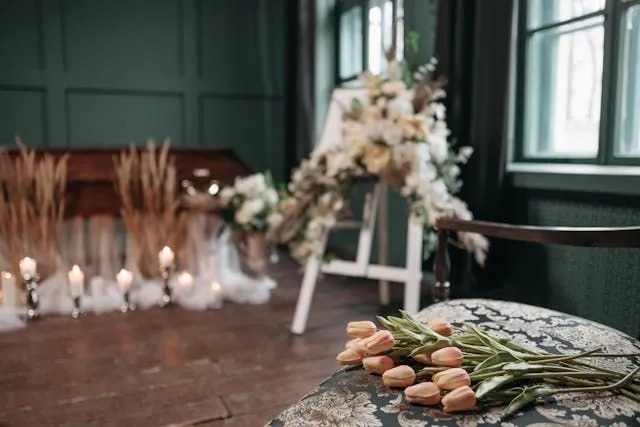
The Rise of Smaller, More Intimate Funeral Gatherings
Funeral traditions have changed considerably over time. While large ceremonies once represented the most familiar way to bring a community together after a death, many families today are choosing smaller and more intimate gatherings. These services may include only immediate family, close friends, or a carefully selected group of people who shared a meaningful relationship with the person who died.
The shift toward smaller gatherings does not mean that families are placing less importance on remembrance. In many cases, an intimate funeral provides more opportunities for meaningful conversation, personal reflection, and sharing memories. Rather than focusing on the size of the gathering, families can concentrate on creating an experience that feels appropriate for the person being remembered.
For families planning a Burial Service in Rapid City, this approach can take many forms. A smaller gathering may take place before a burial, alongside a graveside ceremony, or as part of a private family remembrance. Similarly, intimate Memorial Services can provide a quieter setting where relatives and close friends have more time to reflect and connect.
Why Smaller Funeral Gatherings Are Becoming More Common
There is no single reason behind the growing interest in intimate funerals. Families have different circumstances, relationships, traditions, and preferences. However, several factors have contributed to the change. Modern families are often spread across different cities and states, making it difficult for everyone to gather in one place. Some relatives may be unable to travel because of work, financial limitations, health concerns, or family responsibilities. Others may prefer to participate through a livestream or private memorial gathering at a later date.
Changing attitudes toward funerals have also influenced how families approach these events. Many people are becoming more comfortable with personalized ceremonies that do not necessarily follow a traditional format. For some families, a smaller gathering simply feels more personal. Instead of addressing a large group, relatives may have an opportunity to speak openly, share stories, look through photographs, and remember the person in a familiar environment.
A More Personal Way to Remember Someone
One of the strongest reasons families choose intimate funeral services is the opportunity for personal interaction. In a large service, there may be dozens or hundreds of guests. While this can demonstrate the breadth of someone’s relationships and community connections, it may leave limited time for individual conversations.
A smaller gathering can create an atmosphere where people feel more comfortable sharing memories. A family member might tell a story about childhood, a friend might recall a special moment, or a colleague might describe an experience that others in the room never knew about. These personal stories can help families see different sides of the person they lost.
An intimate service can also make it easier for people to express emotions naturally. There is generally less pressure to follow a formal structure, allowing families to create an environment that reflects their relationships and personalities.
Intimate Burial Services
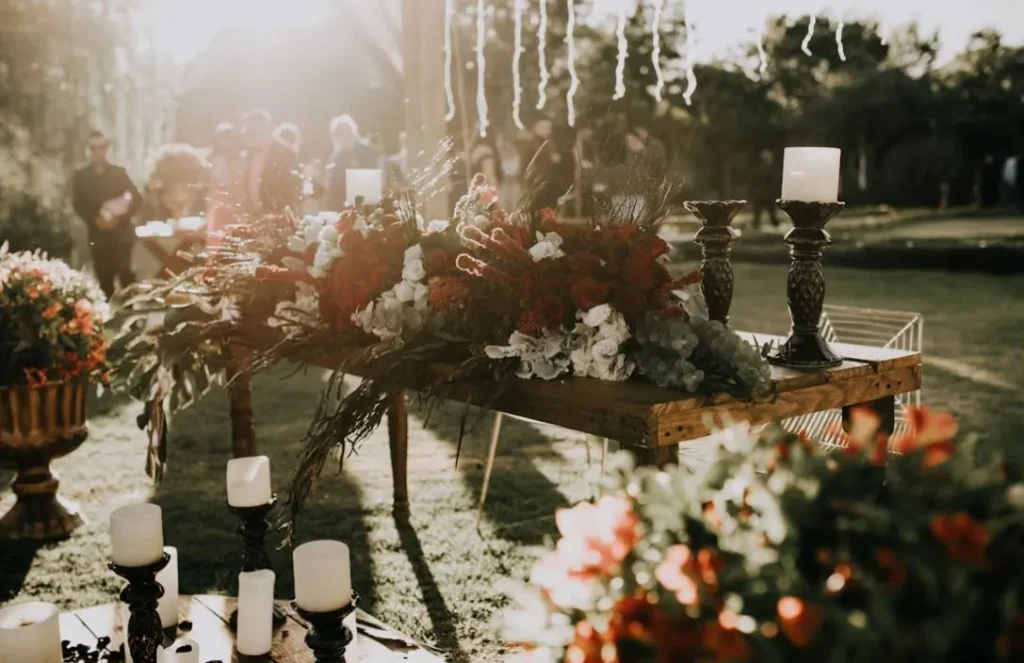
A smaller gathering can work particularly well with a burial. A Burial Service in Rapid City does not necessarily need to involve a large ceremony. Some families may choose to gather at a graveside with only immediate relatives and a few close friends. Others may hold a private ceremony before the burial and invite a wider group to attend a separate memorial at another time. The graveside portion can include readings, prayers, music, personal reflections, or a eulogy. Because fewer people are present, family members may have more opportunities to participate directly.
A small burial gathering can also create a quiet environment for reflection. Rather than focusing on the formal aspects of the ceremony, those attending may be able to spend more time supporting one another.
The Growing Role of Memorial Services
Memorial Services offer another flexible option for families who prefer an intimate gathering. Unlike a traditional funeral that may take place soon after a death, a memorial service can sometimes be scheduled at a later time. This gives family members additional time to travel, organize photographs, collect memories, or decide how they would like to remember their loved one. A small memorial can be held in many settings, depending on the family’s preferences and local requirements. It may take place in a funeral home, religious setting, community space, private residence, outdoor location, or another meaningful environment.
The service itself can be formal or informal. Some families may prefer a traditional eulogy and readings, while others may spend much of the gathering sharing stories and looking through photographs. The flexibility of memorial services makes them suitable for families who want to create something personal without feeling restricted by a traditional format.
Creating Space for Meaningful Conversations
Grief can make communication difficult. Family members may have different ways of processing a loss, and large gatherings can sometimes make it difficult to have the conversations people need. A smaller funeral can provide more space for meaningful interaction. Guests can sit together, talk about memories, ask questions, and offer personal support.
This can be particularly meaningful when the people attending knew the deceased in different stages of life. A childhood friend may remember something completely different from a coworker or grandchild. Bringing these memories together can create a fuller picture of someone’s life. These conversations may continue after the formal portion of the service. A meal, coffee gathering, or informal reception can give relatives and friends additional time to connect.
Personalizing a Smaller Funeral
An intimate gathering often gives families greater freedom to personalize the ceremony. Photographs can be displayed throughout the gathering rather than being limited to a formal display. Favorite music can be played, personal possessions can be incorporated, and family members can share stories in their own words.
Some families create a memory table featuring photographs, letters, books, artwork, hobbies, or other objects connected to the deceased. These details can encourage guests to remember specific moments and begin conversations.
The service might also reflect the person’s interests. Someone who loved gardening might be remembered through flowers or plants. A person who enjoyed music could be honored through favorite songs. Someone who spent years serving their community might be remembered through stories from friends and organizations. Personalization does not require an elaborate ceremony. Often, a few carefully chosen details can make a gathering feel deeply connected to the individual.

The Importance of Obituaries
Even when a family chooses a small funeral, obituaries continue to serve an important purpose. An obituary can communicate essential information about a person’s life and provide details about the funeral, burial, or memorial service. It can also allow families to acknowledge relationships and accomplishments while giving friends and community members an opportunity to remember the deceased. A private service does not necessarily mean that the family wants to keep the person’s passing completely private. Publishing an obituary can allow a wider circle of people to learn about the death even when only a small group attends the gathering.
Digital obituaries have also made it easier for distant friends and relatives to access information. People who cannot attend may be able to leave condolences, share memories, or simply learn more about the person’s life. For families choosing a small service, an obituary can therefore provide a connection between the private gathering and the wider community.
Including People Who Cannot Attend
Smaller gatherings can create challenges for people who are not invited or cannot travel. Families may address this by offering other ways to participate in remembrance. A livestream can allow distant relatives to watch a service from another location. A recording may also allow someone to view the ceremony later if they were unavailable at the scheduled time. Families can also share photographs, an obituary, written memories, or a digital memorial with people who cannot attend. These options allow families to maintain a more intimate in-person gathering while still acknowledging the wider circle of people who cared about the deceased.
Small Does Not Mean Less Meaningful
There can sometimes be a misconception that a smaller funeral is less significant than a large ceremony. The number of people present, however, does not determine the importance of the service. A gathering of ten people can be just as meaningful as one attended by a hundred. What matters is the relationship those individuals had with the person who died and the purpose of bringing them together.
For some families, being surrounded by a small group of people who knew the deceased well can provide a stronger sense of comfort than being in a large room filled with acquaintances. An intimate service may also make it easier for everyone present to participate rather than simply observe.
Balancing Privacy and Community
Choosing a smaller gathering requires families to think about privacy. Some people may prefer to keep the funeral limited to immediate relatives, while others may want close friends or members of the community included. There is no universal rule about who should attend.
Families can communicate their wishes clearly through the obituary, personal messages, invitations, or direct communication with relatives and friends. When a service is private, it can be helpful to make that clear so people understand the family’s intentions. A private funeral does not have to exclude remembrance by others. People outside the gathering can still be encouraged to share memories, send condolences, or participate in another memorial opportunity.
Religious and Cultural Traditions Can Still Be Honored
Choosing a smaller funeral does not necessarily mean moving away from religious or cultural traditions. Many traditions can be maintained within an intimate setting. Prayers, readings, rituals, music, religious leaders, cultural customs, and other meaningful practices can all be incorporated depending on the family’s beliefs and the requirements of the chosen setting.
Some families may even find that a smaller gathering allows them to follow traditions more closely because there is less pressure to accommodate a large number of guests. When planning funeral services, families can discuss which traditions are especially important and determine how they can be incorporated into the gathering.
The Emotional Benefits of an Intimate Gathering
Everyone experiences grief differently, but a smaller gathering can provide an environment where emotions are expressed more openly. Family members may feel more comfortable crying, speaking honestly, sitting quietly, or sharing difficult memories when they are surrounded by people they trust. There can also be less pressure to maintain a formal appearance. The focus becomes supporting one another rather than managing a large event.
For children and teenagers, a smaller service may also provide an opportunity to participate in a way that feels less overwhelming. They might share a drawing, photograph, memory, letter, or favorite story. Allowing different family members to participate can help make the gathering feel like a shared remembrance rather than simply a formal ceremony.

Planning the Right Size for a Funeral
There is no ideal number of people for a funeral or memorial. The appropriate size depends on the wishes of the deceased and the needs of the family. Some people may want only immediate family present. Others may include close friends, neighbors, colleagues, members of a religious community, or people who played an important role in the person’s life. Families can begin by identifying the people who had the closest relationships with the deceased. From there, they can consider whether the gathering should remain private or expand to include a wider community.
It is also possible to combine different approaches. A family could hold a private burial followed by a larger public memorial, or a small funeral followed by an informal gathering at a later date. This flexibility allows families to separate different aspects of remembrance rather than trying to accommodate everyone in one event.
Smaller Gatherings and Changing Funeral Traditions
The rise of intimate funerals reflects a broader change in how people think about remembrance. Modern families increasingly recognize that there is no single format that every person must follow. Traditional ceremonies remain meaningful for many people, while others prefer informal gatherings that focus on storytelling, personal memories, and close relationships.
Technology has also expanded the possibilities. Digital obituaries, livestreamed ceremonies, online memorial pages, and shared photo collections allow people to participate without physically attending. These changes do not eliminate traditional funerals. Instead, they give families more choices when deciding how they want to honor someone.
Planning a Meaningful Intimate Gathering
A smaller funeral can be carefully planned without becoming complicated. Families can begin by identifying the purpose of the gathering and deciding who should be present. They can then consider the location, type of ceremony, religious or cultural elements, music, readings, photographs, personal memories, and opportunities for guests to participate.
It is also helpful to determine what information needs to be shared with people who will not attend. An obituary, digital memorial, or later gathering can provide a way for the wider community to acknowledge the loss. For those planning a Burial Service in Rapid City, the burial itself can remain simple while still allowing meaningful elements such as a eulogy, prayer, music, or personal reflection. The same principle applies to Memorial Services. A gathering does not need to be elaborate to reflect a person’s life.
A Quiet Gathering Can Leave a Lasting Memory
The growing interest in smaller funeral gatherings reflects the changing needs and preferences of modern families. For many people, an intimate service offers something that a large ceremony cannot always provide: time and space to connect personally.
Whether it involves a private burial, a small memorial, or a gathering of close friends and relatives, the central purpose remains the same. Families come together to acknowledge a loss, remember a life, support one another, and begin saying goodbye.
There is no required size for meaningful funeral services. Some families find comfort in a large community gathering, while others prefer the closeness of a small group. By focusing on the relationships, memories, traditions, and values that mattered most to the deceased, families can create a genuine farewell. Through intimate gatherings, meaningful obituaries, personal stories, and carefully chosen Memorial Services, remembrance can remain deeply personal while still giving loved ones a meaningful opportunity to say goodbye.