Funeral Homes in South Dakota: Understanding Local Funeral Service Options
When a death occurs, families in South Dakota may need to make several decisions about funeral arrangements, memorial services, cremation, burial, and how they want to honor a loved one. Understanding the different types of funeral services available can make these decisions easier, particularly when family members are managing arrangements during an emotional and difficult time.
Funeral homes in South Dakota serve communities across the state, from larger population centers such as Rapid City and Sioux Falls to smaller towns and rural areas. While the services offered can vary from one community to another, most funeral homes help families coordinate essential arrangements, prepare for ceremonies, and navigate practical responsibilities following a death.
The right arrangements depend on personal wishes, religious or cultural traditions, family preferences, budget considerations, and whether burial or cremation is preferred. Learning about the available options in advance can help families make decisions based on what is appropriate for their circumstances rather than feeling pressured to make unfamiliar choices quickly.
Understanding Funeral Homes in South Dakota
Funeral homes provide professional assistance with many of the responsibilities that follow a death. Their role can include transportation of the deceased, preparation and care, coordination with cemeteries or crematories, arranging visitation and funeral services, and helping families understand documentation and administrative requirements.
The services available may differ depending on the funeral home and the community it serves. Some locations provide facilities for visitations and ceremonies, while others may coordinate services at churches, cemeteries, community spaces, or other locations selected by the family. South Dakota’s geography also influences how funeral services are arranged. Families in metropolitan areas may have several providers to consider, while families in smaller communities may have fewer local options. In rural areas, transportation and coordination between communities can sometimes become an important part of the planning process. For this reason, families should consider not only the type of service they want but also where different parts of the arrangement will take place.
Common Funeral Service Options in South Dakota
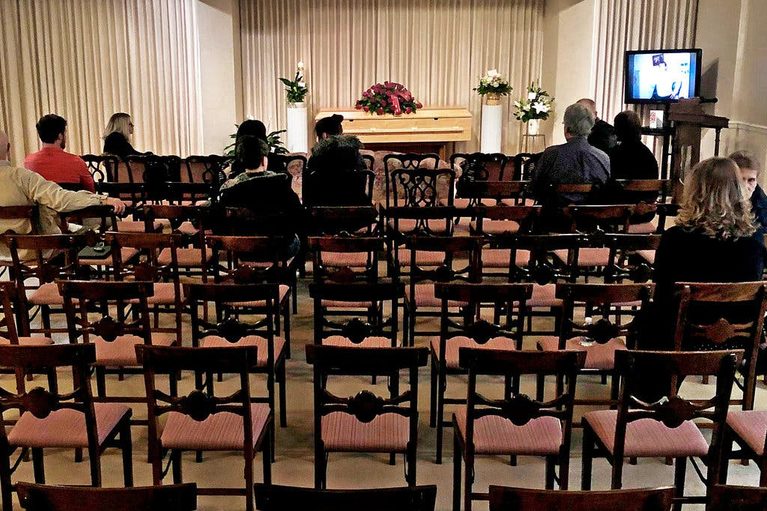
There is no single way to arrange a funeral. Families can choose traditional funeral services, memorial services, cremation, burial, or combinations of these options depending on their preferences. A traditional funeral commonly includes a period of visitation or viewing followed by a funeral ceremony. The ceremony may take place at a funeral home, church, or another suitable location before burial or another final disposition.
A memorial service generally takes place without the deceased present. It may be held after cremation or burial and can provide an opportunity for relatives, friends, and members of the community to gather and remember the person who died. Some families choose a smaller private gathering rather than a larger public service. Others may hold a larger celebration of life that focuses on memories, stories, photographs, music, and other meaningful elements of the person’s life. The important point is that funeral arrangements can be adapted to the needs and wishes of each family.
Burial Services and Cemetery Arrangements
Burial remains an important option for many families in South Dakota. A burial service may follow a traditional funeral or may be conducted as a smaller graveside ceremony. Graveside services can provide a more intimate setting where family and friends gather at the cemetery for prayers, readings, music, personal remarks, or other elements chosen by the family. Some families hold a full funeral ceremony before proceeding to the cemetery, while others choose to have the primary service at the graveside.
Families planning a burial may need to consider cemetery availability, the location of the burial plot, cemetery requirements, and the timing of the graveside service. If a family already owns a cemetery plot, confirming its location and any applicable requirements can simplify the planning process. Cemetery regulations can vary, so families should ask about specific requirements before making final arrangements.

Cremation Services in South Dakota
Cremation is another widely considered option. Families may choose cremation for personal, practical, cultural, or financial reasons, and the process can be incorporated into different types of memorial arrangements. A family may choose to hold a visitation or funeral service before cremation, or it may choose a memorial service afterward. Some families prefer a private gathering followed by cremation, while others organize a memorial ceremony at a later date when relatives can travel to the area.
After cremation, families may have several options for memorializing their loved one. Depending on their preferences and applicable local requirements, cremated remains may be placed in a cemetery, kept in an appropriate memorial container, or handled according to the family’s wishes and applicable regulations. When considering cremation, it is useful to ask the funeral home to explain the complete process, including transportation, identification procedures, scheduling, the cremation process, and the return or placement of cremated remains.
Funeral Services and Memorial Services: What’s the Difference?
The terms funeral service and memorial service are sometimes used interchangeably, but they can describe different arrangements. A funeral service traditionally takes place with the deceased present, although practices vary. It may include visitation, a formal ceremony, religious elements, readings, music, eulogies, and burial or cremation arrangements.
A memorial service generally takes place after the deceased has been buried or cremated. Because the service does not require the deceased to be present, families may have greater flexibility regarding timing and location. For example, relatives who live in different states may need additional time to travel. A memorial service can sometimes be scheduled later, allowing more people to attend. Neither option is inherently more appropriate than the other. The choice depends on what the family believes best reflects the wishes and life of the person being remembered.
Religious and Cultural Funeral Traditions
Religious and cultural traditions can play an important role in funeral planning. Different faiths and communities may have specific expectations regarding the timing of services, preparation of the deceased, ceremonies, burial, cremation, prayers, or other practices. Families who have particular religious or cultural requirements should discuss them with the funeral home as early as possible. Funeral professionals can often coordinate with clergy, religious leaders, cemeteries, crematories, and other service providers.
It can also be helpful to identify which elements of a traditional service are essential to the family and which can be adapted. This allows arrangements to remain meaningful while accommodating local circumstances and the needs of relatives and friends.
Preplanning a Funeral in South Dakota
Funeral planning does not always have to begin after a death. Some people choose to make arrangements in advance so their families have clearer guidance when the time comes. Preplanning may involve documenting preferences for burial or cremation, selecting a type of service, identifying a cemetery, discussing visitation preferences, and recording important personal or family wishes.
Some people also discuss financial arrangements as part of preplanning. However, families should understand the difference between documenting preferences and entering into a prepaid funeral agreement. Any financial contract should be reviewed carefully so the person understands the terms, payment requirements, cancellation provisions, and what happens if circumstances change. Even when someone does not formally prearrange a funeral, simply writing down their preferences can give relatives valuable guidance.
What Families Should Ask a Funeral Home
Choosing among funeral homes in South Dakota can involve more than comparing advertised services. Families should ask questions that help them understand exactly what is included in the arrangements.
Important questions may include:
- What services are included in the basic funeral or cremation arrangement?
- What additional services or merchandise may involve separate charges?
- Where will the visitation or ceremony take place?
- How is transportation of the deceased handled?
- What options are available for burial or cremation?
- Can the funeral home coordinate with a cemetery or religious organization?
- What documentation will the family need to provide?
- Are there options for a smaller or more personalized service?
- How are cremated remains handled after the cremation?
- What payment options and financial arrangements are available?
Families should feel comfortable asking for an explanation of any cost, service, or document they do not understand. Funeral arrangements can involve multiple decisions, and clear communication can help prevent confusion.
Comparing Funeral Homes in Different South Dakota Communities
Location is an important consideration when researching funeral homes in South Dakota. A family may initially search for a provider in the community where the death occurred, but the most suitable arrangements may involve another nearby community. South Dakota includes a mix of larger cities, smaller towns, and rural communities. Funeral service availability can therefore vary significantly by location.
Families in western South Dakota may consider providers serving Rapid City and surrounding communities, while families elsewhere in the state may look toward Sioux Falls, Aberdeen, Brookings, Mitchell, Pierre, Watertown, or other nearby communities.
The location of the cemetery, residence of close relatives, hospital or care facility, and preferred service venue can all influence which funeral home is most practical. For families searching online, using a specific community name along with terms such as funeral home, funeral services, cremation services, burial services, or memorial services can help narrow the available options.
Planning a Funeral When Family Members Live Elsewhere
Modern families are often spread across different cities and states. Funeral arrangements may therefore need to accommodate relatives who cannot immediately travel to South Dakota. Funeral homes can help coordinate schedules for visitation and services, but families may also need to consider virtual participation, delayed memorial services, or additional gatherings at a later time.
Travel considerations can be particularly important for families in rural areas where relatives may need to travel considerable distances between airports, hotels, funeral facilities, and cemeteries. Having one person serve as the primary contact for arrangements can also make communication easier when several family members are involved.
Personalizing a Funeral or Memorial Service
A funeral or memorial service does not have to follow exactly the same format for every person. Personal details can make a service more reflective of an individual’s life and relationships.
Families may incorporate photographs, favorite music, readings, letters, military memorabilia, professional achievements, hobbies, community involvement, or meaningful stories. A eulogy can provide an opportunity to describe the person’s personality, experiences, relationships, and impact on others. Some families prefer a formal religious ceremony, while others choose a simple gathering focused on sharing memories. The setting can also influence the atmosphere, whether the service takes place at a funeral home, church, cemetery, private residence, or another location. Personalization is ultimately about creating an appropriate way for people to remember and honor the individual.
Funeral Costs and Understanding Service Choices
Cost is an important consideration when making funeral arrangements. The overall expense can depend on the type of service, burial or cremation, cemetery costs, merchandise, transportation, facility use, and other selected services. A traditional burial service can involve different expenses from a direct cremation followed by a later memorial service. Similarly, a large visitation and ceremony may have different costs from a small private gathering.
Rather than focusing only on the total price, families should understand what is included in each arrangement. Asking for an itemized explanation can make it easier to compare options and determine which services are important to the family. Families should also distinguish between services provided by the funeral home and expenses charged by third parties, such as cemeteries, clergy, florists, musicians, or other providers.
Funeral Planning After a Death
When someone dies, families may need to make arrangements relatively quickly. The first steps can depend on where the death occurred and the circumstances involved. If the death occurs in a hospital, hospice setting, nursing facility, or private residence, the appropriate professionals generally provide guidance about the immediate procedures. The funeral home can then assist with transportation and subsequent arrangements.
Families may need to gather information such as the deceased person’s full legal name, date and place of birth, Social Security information, military service details, marital information, and other documentation required for records and arrangements. It can be helpful to designate a family member or trusted person to organize documents and communicate with the funeral home, cemetery, clergy, and other organizations.
Finding the Right Funeral Service Option
There is no universal funeral arrangement that works for every South Dakota family. The right choice may depend on the person’s wishes, family traditions, religious beliefs, location, budget, and the needs of relatives and friends. Some families may prefer a traditional funeral and burial. Others may choose cremation followed by a memorial service. A smaller private gathering may be more appropriate for another family, while some people may want a larger celebration of life involving their wider community.
When researching funeral homes in South Dakota, families can begin by identifying the type of service they want, the community where arrangements will take place, and any religious, cultural, cemetery, or personal requirements that need to be considered. Taking time to understand the available options can make funeral planning more manageable. Whether arrangements involve burial, cremation, a funeral service, or a memorial gathering, thoughtful planning can provide families with a meaningful way to honor a loved one while meeting their practical needs.