Traditional Burial vs Cremation: Which Option Is Right for Your Family?
Deciding between a traditional burial and cremation ranks among the most personal and weighty choices families face when arranging a funeral service. Both options provide meaningful ways to honor a loved one, yet they differ significantly in ritual, cost, environmental impact, emotional resonance, and long-term considerations. Whether influenced by faith, family tradition, personal values, financial realities, or environmental concerns, understanding the nuances of each path empowers informed choices. Many families discover that the “right” decision blends practical factors with what feels most authentic to their loved one’s life and their own grieving process.
Understanding Traditional Burial Services
Traditional burial has been a cornerstone of funeral service practices for centuries across many cultures. It typically involves embalming the body, a viewing or visitation period, a formal funeral ceremony, and interment in a cemetery plot, often within a casket and protective vault.
In a full traditional burial funeral service, families and friends gather for a visitation to pay respects, share memories, and offer condolences. The casket, available in various materials, styles, and price points, may be open or closed. A religious or secular service follows, featuring eulogies, readings, music, and rituals that provide structure and communal support.
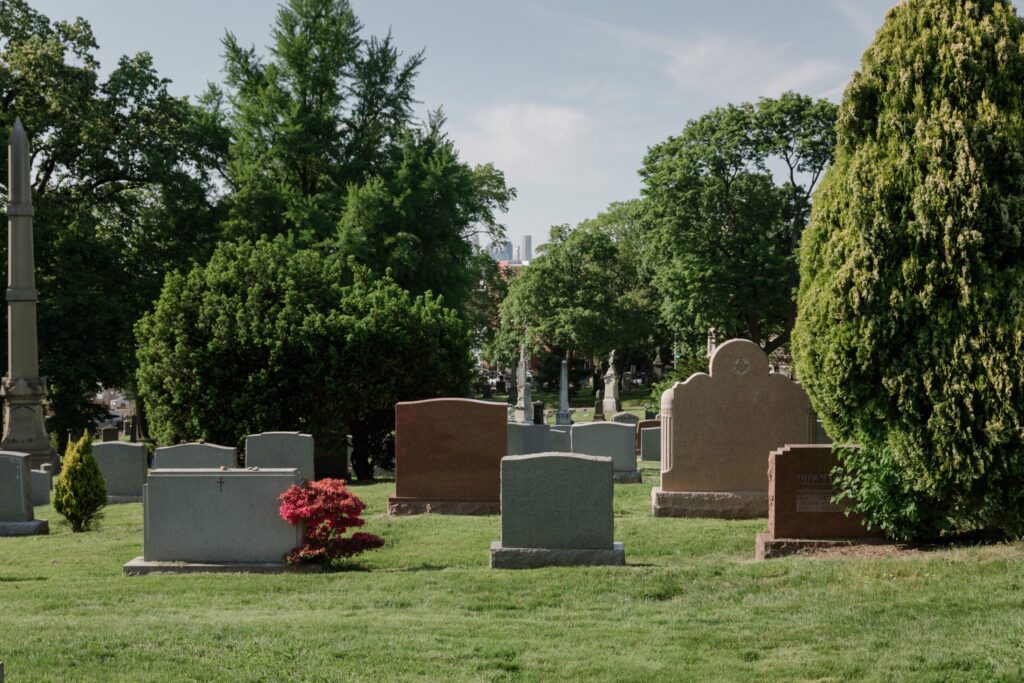
Following the service, a procession often accompanies the deceased to the cemetery for a graveside committal. This final act of lowering the casket into the ground offers a tangible sense of farewell and placement. Many families find profound meaning in having a physical location to visit, tend with flowers, and reflect on over the years.
Burial services also accommodate personalization. Families might incorporate military honors, cultural traditions, or elements reflecting the deceased’s hobbies, such as placing meaningful objects in the casket or selecting a gravesite with a view that echoes their life passions. In regions with strong ties to land and heritage, like the Black Hills area, traditional burial can feel deeply connected to family plots and generational continuity.
However, traditional burial requires more immediate decisions and often higher upfront costs. Embalming preserves the body for viewing, caskets and outer burial containers add expense, and cemetery plots plus opening/closing fees contribute significantly. Ongoing costs may include plot maintenance or perpetual care funds.
From an environmental perspective, traditional burials use land resources and materials like metals, wood, and concrete vaults. While green or natural burial options minimize these impacts through biodegradable materials and simpler practices, standard burial services involve more resource use.
Exploring Cremation as a Funeral Service Option
Cremation has gained substantial popularity as a flexible alternative within modern funeral service practices. The process reduces the body to ashes through high heat, after which families receive the cremated remains (often called cremains) in an urn or temporary container.
Cremation integrates into various service formats. A traditional-style funeral service with visitation and ceremony can precede cremation, allowing the same elements of gathering and ritual before the body proceeds to the crematory. Alternatively, families may opt for a memorial service after cremation, focusing purely on celebration without the physical body present. Direct cremation skips formalities, providing a simpler, more affordable starting point from which families can build personalized tributes later.
The versatility of cremation appeals to many. Ashes can be scattered in meaningful locations, perhaps a favorite hiking trail, family land, or body of water buried in a cemetery plot or urn garden, kept at home, or incorporated into memorial jewelry, artwork, or even coral reefs. This flexibility allows families to create ongoing legacies that align closely with the individual’s spirit and values.
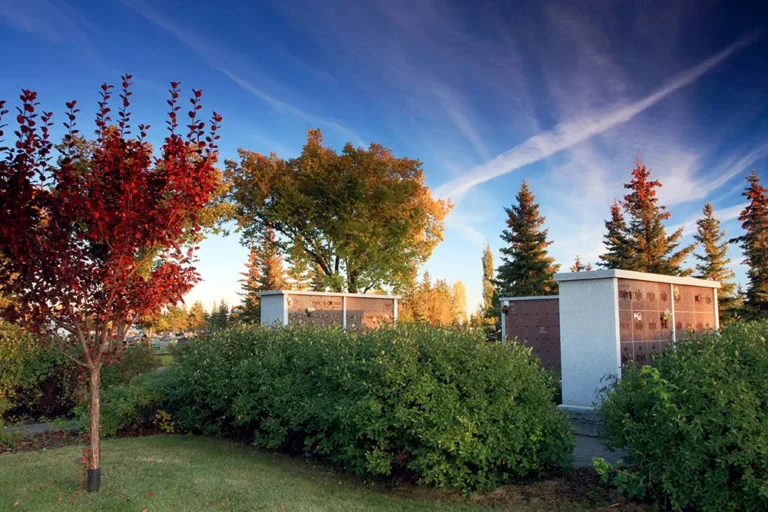
Burial services following cremation, such as placing an urn in a columbarium niche or burying it, offer a middle ground combining the efficiency of cremation with a permanent memorial site. Many cemeteries now feature dedicated cremation gardens designed for beauty and reflection.
Cost represents a significant advantage for many families. Cremation generally requires fewer resources than a full traditional burial, though adding a full funeral service with viewing brings expenses closer to traditional levels. Direct cremation often stands as the most economical option, freeing resources for other meaningful gestures like charitable donations or elaborate memorial events.
Environmentally, cremation uses energy and emits emissions, though modern crematories incorporate filtration systems. It conserves land compared to traditional burials. Hybrid approaches, such as water cremation (alkaline hydrolysis), where available, offer even lower environmental footprints.
Key Factors to Consider When Choosing
Several interconnected considerations help families determine the best path between traditional burial and cremation.
Emotional and Psychological Aspects: Many people find the rituals of traditional burial services, the viewing, procession, and graveside commitment, provide concrete closure and a sense of completion. The physical presence offers a focal point for grief expression. Cremation, particularly with a subsequent memorial service, shifts focus toward life celebration and can feel less heavy for some, especially when death follows a long illness. Others appreciate the ability to delay a memorial until they feel ready, allowing time for planning something truly reflective.
Religious and Cultural Beliefs: Faith traditions often guide choices. Some religions mandate or strongly prefer burial, while others accept or encourage cremation. Families with mixed beliefs or secular outlooks may prioritize personal values over doctrine. In diverse communities, respectful funeral service providers accommodate various customs, ensuring the chosen option honors spiritual needs.
Family Dynamics and Legacy: Consider what future generations might appreciate. Traditional burial creates a fixed place for family visits and storytelling across years. Cremation offers portability and options for dividing ashes among loved ones or dispersing them in multiple meaningful spots. Discussing preferences openly, when possible, prevents conflict and ensures the decision reflects the deceased’s wishes.
Financial Realities: Budget constraints influence many decisions. Traditional burial with full funeral service elements typically costs more due to merchandise and cemetery fees. Cremation provides more flexibility to align with financial comfort levels. Pre-planning either option can mitigate costs and reduce stress on survivors. Families should request detailed price lists and explore all components rather than focusing solely on base figures.
Environmental Values: Increasing numbers of families weigh ecological impact. Natural burial preserves land with minimal interference, while cremation reduces space needs but consumes energy. Emerging technologies and hybrid choices continue to evolve, offering more sustainable paths within both categories.
Practical Considerations: Geography, climate, and lifestyle play roles. In areas with rocky soil or limited cemetery space, cremation simplifies logistics. Families who travel or relocate may prefer the mobility of cremated remains. Health factors, such as concerns about embalming chemicals, also influence preferences.
Blending Options: Hybrid Approaches
Many families discover that strict “either/or” thinking does not serve them best. Hybrid solutions combine elements of both:
- A full funeral service with viewing followed by cremation
- Cremation with a traditional-style memorial and urn burial
- Green burial with simplified rituals
- Multiple memorials, one immediate and another at a significant anniversary
Funeral service professionals experienced in both traditional burial and cremation can help craft these personalized combinations, ensuring the final arrangements feel cohesive and right for the family.

The Importance of Pre-Planning and Open Conversations
One of the greatest gifts families can give one another is discussing end-of-life preferences ahead of time. Conversations about traditional burial versus cremation, while uncomfortable, clarify wishes and prevent assumptions. Writing down preferences, completing pre-arrangement forms, or purchasing cemetery plots in advance transforms potential conflict into peace of mind.
Pre-planning also allows consideration of all factors without the pressure of immediate grief. Many providers offer payment plans and inflation-protected options, making thoughtful choices more accessible.
Navigating the Decision-Making Process
When the time comes, families benefit from structured steps:
- Gather information on both traditional burial and cremation options.
- Consult with trusted advisors, clergy, financial planners, or experienced funeral service providers.
- Review costs transparently and explore all elements.
- Consider the emotional needs of all family members, including children.
- Reflect on the deceased’s values, expressed wishes, and life story.
- Allow time for prayer, meditation, or quiet reflection as needed.
Avoid rushing major decisions. Even in immediate situations, funeral service teams can handle initial steps while giving families space for bigger choices.
Honoring Life Through Thoughtful Choice
Neither traditional burial nor cremation is inherently superior. The right option is the one that best aligns with your family’s circumstances, beliefs, and capacity to find meaning in the process. Some families feel drawn to the grounded finality of burial services, while others embrace the freedom and creativity cremation enables. Many find beauty in blending traditions in ways unique to their story.
Ultimately, both paths serve the same purpose: providing a framework for saying goodbye, gathering community support, and beginning the journey of remembrance and healing. The rituals, whatever form they take, help mark the transition and affirm the enduring impact of a life lived.
In making this choice, families engage in an act of love, honoring the past while caring for those who remain. Whether selecting a traditional burial with its deep-rooted ceremonies or cremation with its flexible possibilities, the focus remains on dignity, respect, and celebration of a unique individual.
As you consider traditional burial versus cremation, remember that support is available. Compassionate professionals in funeral service can explain options clearly, answer questions patiently, and help craft arrangements that bring comfort rather than additional burden. By approaching the decision with information, openness, and heart, families can find the path that feels most right for them.
The choice between traditional burial and cremation ultimately contributes to a larger narrative of love, legacy, and transition. Whichever direction your family takes, may it provide the space needed for grief, the rituals needed for closure, and the memories that will sustain you through the years ahead.